The Enduring Peter Rabbit Motif: A Cultural and Historical Exploration
Introduction
The gentle watercolor of a blue-jacketed rabbit has quietly become shorthand for childhood wonder. First glimpsed on the cover of a modest picture book, the motif now surfaces on nursery walls, tea towels, and animated screens across continents. This brief study traces how a simple illustration turned into a shared cultural touchstone, asking why a tiny rabbit in a garden still feels fresh more than a century after his debut.
Origins of the Motif
In 1902 a privately printed story about a curious rabbit was picked up by a small London publisher. The author, trained in natural history sketching, had originally drawn the animal to amuse a sick child. The opening vignette—rabbit nibbling under lettuces—was repeated on promotional posters and endpapers, quickly becoming the visual signature of the tale.
Design and Artistic Appeal
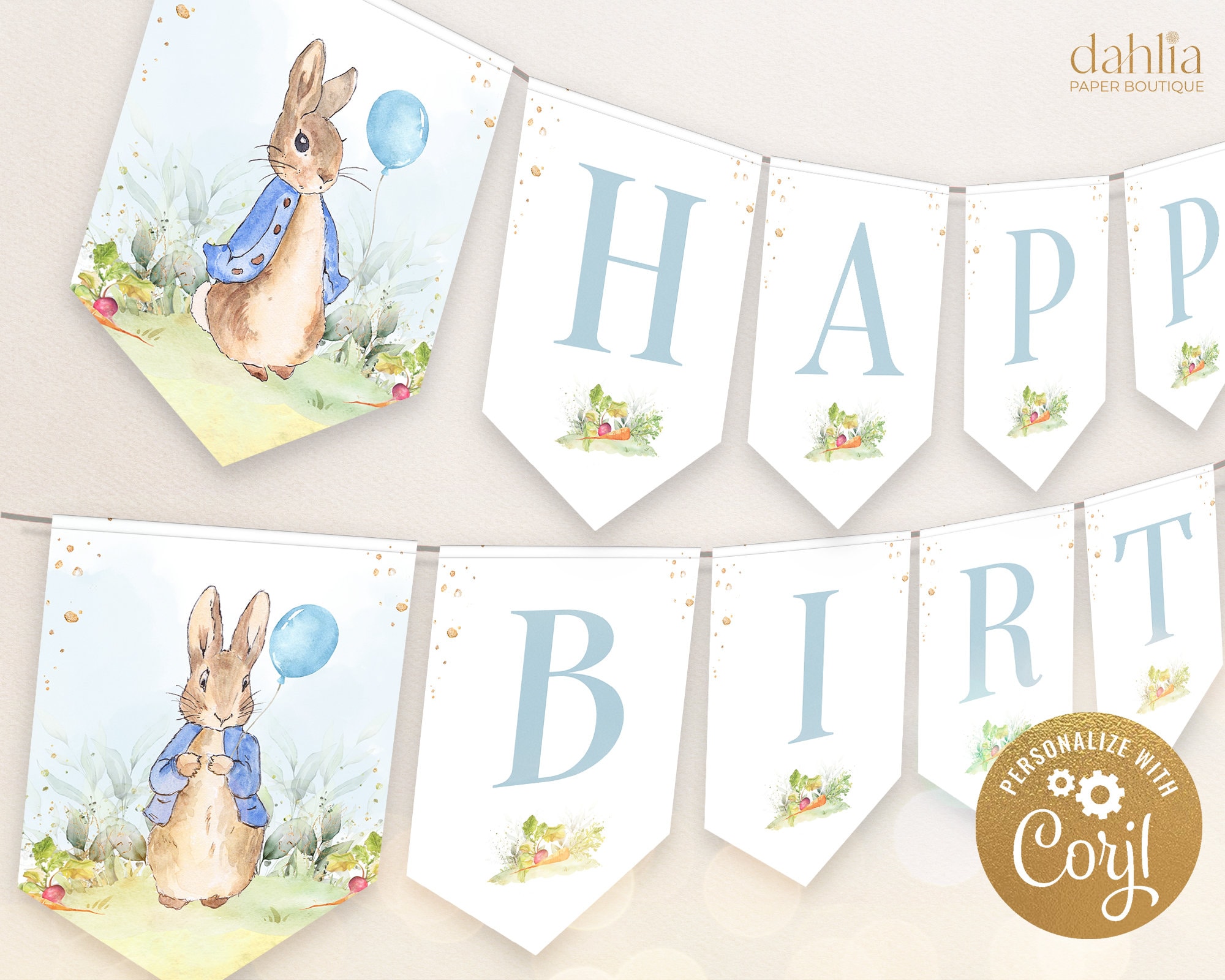
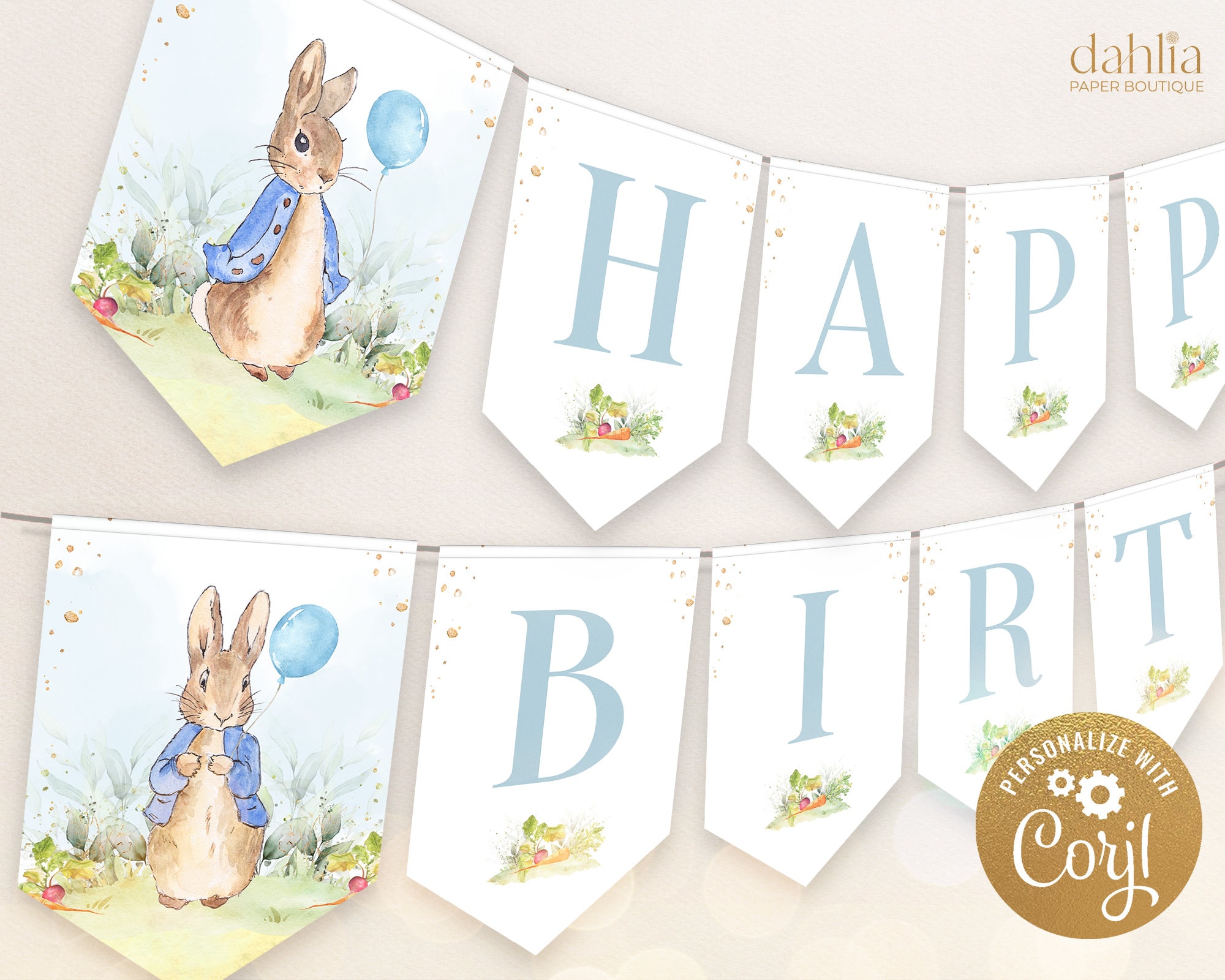
Soft earth tones, precise botanical detail, and a hint of gentle humor give the rabbit an immediate charm. The figure is small on the page, leaving generous white space that invites young eyes to rest. By balancing scientific accuracy with playful expression, the artwork feels both instructive and comforting.
Cultural Reach
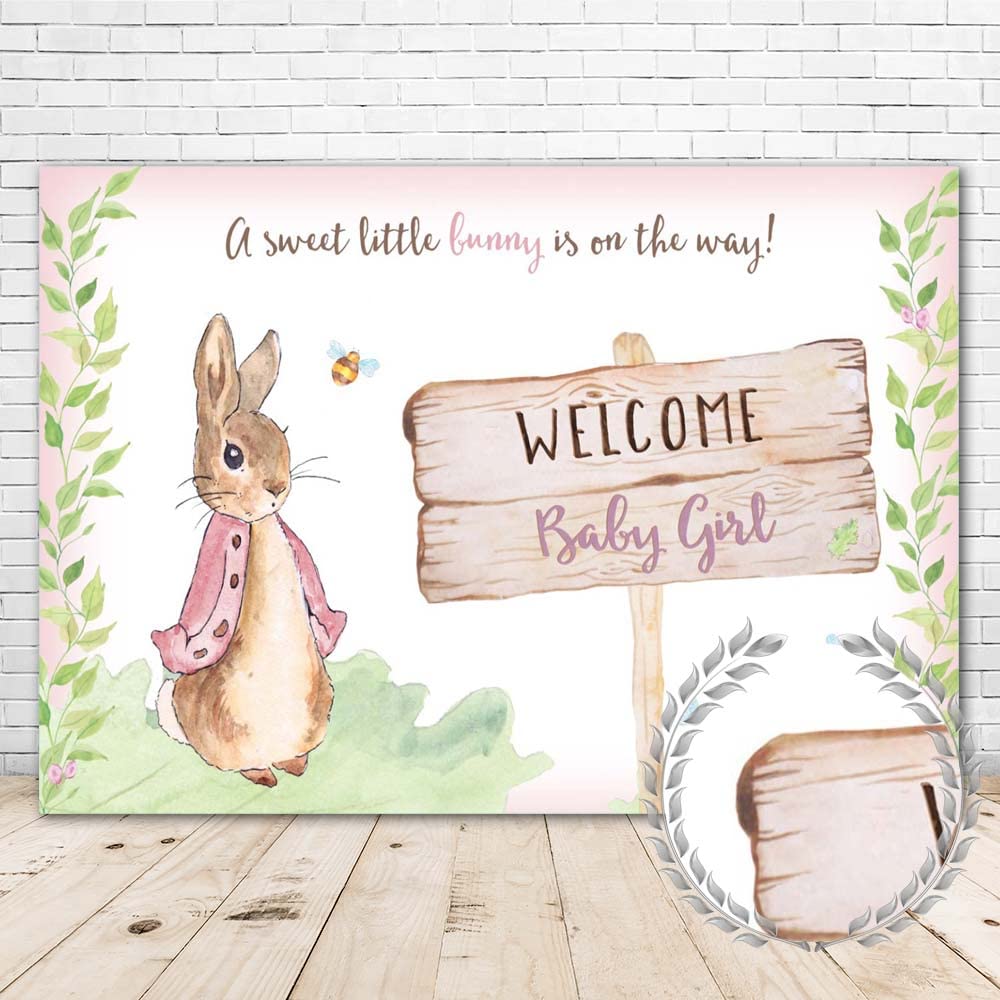
Within a decade the rabbit appeared on biscuit tins, alphabet blocks, and classroom charts. Wartime calendars used the image to raise funds for hospital libraries, while post-war tourism boards borrowed it to advertise countryside outings. Generations have since clipped the motif to pram mobiles, embroidered it on christening gowns, and projected it in puppet theaters, proving its knack for slipping into everyday family ritual.
Historical Reflections
The setting—a walled kitchen garden under English clouds—mirrors early twentieth-century ideals of thrift, seasonal rhythm, and quiet rural life. At the same time, the rabbit’s small rebellion against the gardener hints at youthful curiosity challenging adult order, a theme that quietly echoed changing attitudes toward childhood independence.
Lasting Popularity
Key to the image’s longevity is its emotional openness: the rabbit can be every child who ever felt both daring and afraid. Parents recognize the moment of temporary mischief followed by the safety of home, making the story—and its emblematic picture—an easy bedtime shorthand for reassurance.
Scholarly Attention
Literary critics praise the interplay of word and image, noting how the rabbit’s posture mirrors plot tension. Art historians place the garden scenes within a tradition of pastoral miniature that stretches back to medieval manuscripts. Educators study the way visual sequencing teaches early literacy, while psychologists highlight the secure resolution as a model for coping with mild anxiety.
Influence on Later Books
The success of the rabbit poster showed publishers that a single striking illustration could brand an entire series. Subsequent picture-book creators adopted similar frontispiece portraits—kittens in airships, bears with suitcases, pigs in rain boots—each hoping to replicate the instant recognition factor first proved by a timid rabbit in a vegetable patch.
Conclusion
More than a marketing device, the rabbit vignette has become a slice of shared memory passed along like a well-worn nursery rhyme. Its modest colors still remind readers that small stories, honestly told, can travel farther than the grandest epic. As long as children wonder what lies beyond the garden gate, a little rabbit in a blue coat will be there to greet them.
Future Directions
Comparative studies might track how the motif adapts across languages and climates, while digital-humanities projects could map its appearances in social-media bedtime posts. Ethnographers could interview grandparents who once saved cereal box cut-outs, documenting personal memories attached to the image. Such work would illuminate how a simple drawing continues to nurture imagination in an ever-changing world.