Australian Shepherd Rescue Networks: A Second Chance for Dogs in Need
Introduction
The Australian Shepherd is prized for its sharp mind, devotion, and adaptability, yet even this beloved breed can end up homeless or harmed. Volunteer-powered rescue networks step in to give these dogs a fresh start. This article highlights why these groups matter, how they serve the community, and the hurdles they confront.

The Role of Australian Shepherd Rescue Networks
These non-profit, volunteer-run organizations focus on rescuing, rehabilitating, and re-homing Australian Shepherds in distress. Funded by donations and events, they offer safe shelter, medical care, and training until each dog is ready for a new family.
Rescue and Rehabilitation

Teams respond to tips from the public or partner agencies, pick up at-risk dogs, and arrange immediate veterinary checks. Injuries, illnesses, and behavioral issues are addressed before the dogs move to foster homes.
Rehabilitation
In foster care, dogs receive daily socialization, basic obedience practice, and plenty of affection. Recovery time varies; some bounce back in weeks, while others need months of patient support.

Rehoming
When a dog is physically and emotionally sound, the group screens applicants to ensure lifestyle, experience, and expectations match the dog’s needs. The goal is a lasting, loving adoption.
The Impact of Australian Shepherd Rescue Networks

Their work ripples through the community in three key ways.
Saving Lives
Every rescued dog is a life pulled from uncertainty and given the promise of safety and care.
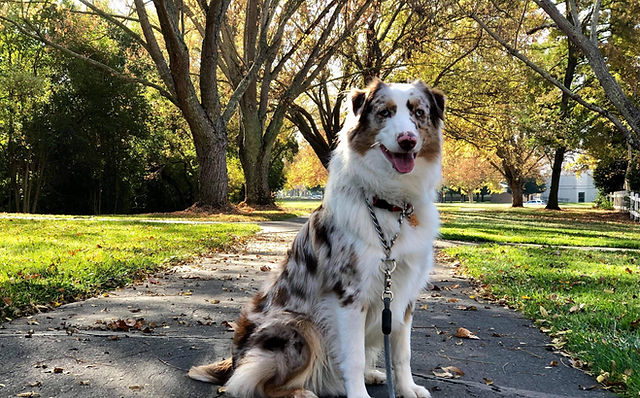
Promoting Awareness
Through events and social media, these groups teach responsible ownership, the value of spay/neuter, and the real cost of impulse purchases.
Strengthening the Community
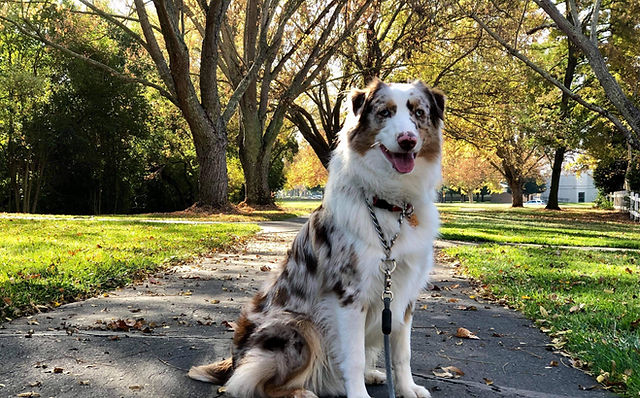
Foster families, adopters, and volunteers build bonds rooted in compassion, creating a culture that values animal welfare.
Challenges Faced by Australian Shepherd Rescue Networks
Despite dedication, obstacles persist.

Limited Resources
Donations rarely cover veterinary bills, quality food, and transport costs, forcing tough choices about which dogs can be helped.
High Demand

Popularity of the breed fuels backyard breeding and subsequent surrenders, filling foster homes faster than they expand.
Lack of Support
Many residents remain unaware of the workload involved, leading to shortages of both funds and volunteers.

Conclusion
Australian Shepherd rescue networks provide an essential safety net, turning abandoned dogs into cherished companions while educating the public. Continued community backing—through donations, volunteering, and advocacy—will help them meet rising demand and sustain their life-saving mission.
Recommendations and Future Research

To bolster these efforts, consider the following:
1. Share adoptable-dog posts and educational articles on social media to widen reach.
2. Donate supplies, funds, or time; even short-term fostering frees up critical space.

3. Partner with local shelters and veterinarians to create low-cost training and wellness clinics.
Future studies could examine:
1. Which rehabilitation methods best reduce anxiety and speed adoption.

2. Long-term happiness and retention of dogs placed through breed-specific rescues.
3. Economic benefits to communities when rescue groups reduce shelter intake and euthanasia rates.
By supporting these recommendations and encouraging further research, we can ensure Australian Shepherd rescue networks continue giving every dog the chance to thrive in a safe, loving home.