Title: Decoding the Concept of Cat and Dog Years: A Comprehensive Analysis
Introduction
The notion that cats and dogs age on a different timeline from humans has long intrigued pet lovers. Commonly summarized as “cat years” and “dog years,” the idea helps owners visualize their companions’ life stages. This article explores where the belief came from, what science says about it today, and how it can guide everyday care decisions.
Origins of the Concept
Observations of rapid puppy and kitten maturation can be traced back centuries, but the phrase “dog years” gained traction during the 1800s as veterinary science took shape. Early veterinarians needed a simple way to explain why a five-year-old dog might already show signs of middle age, and the multiplier analogy proved memorable.
Scientific Evidence
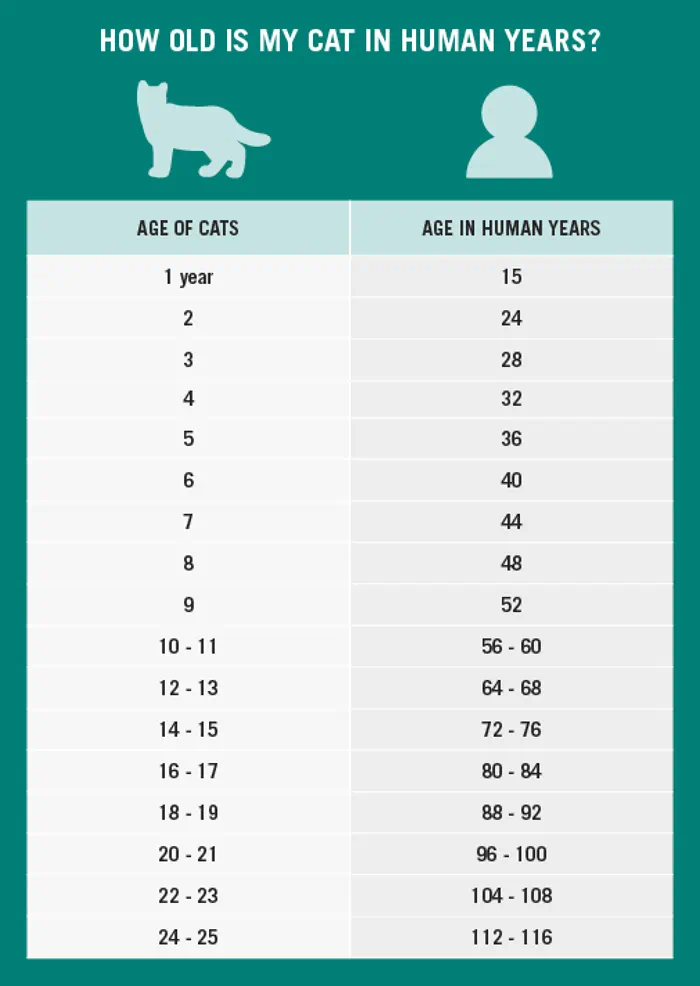
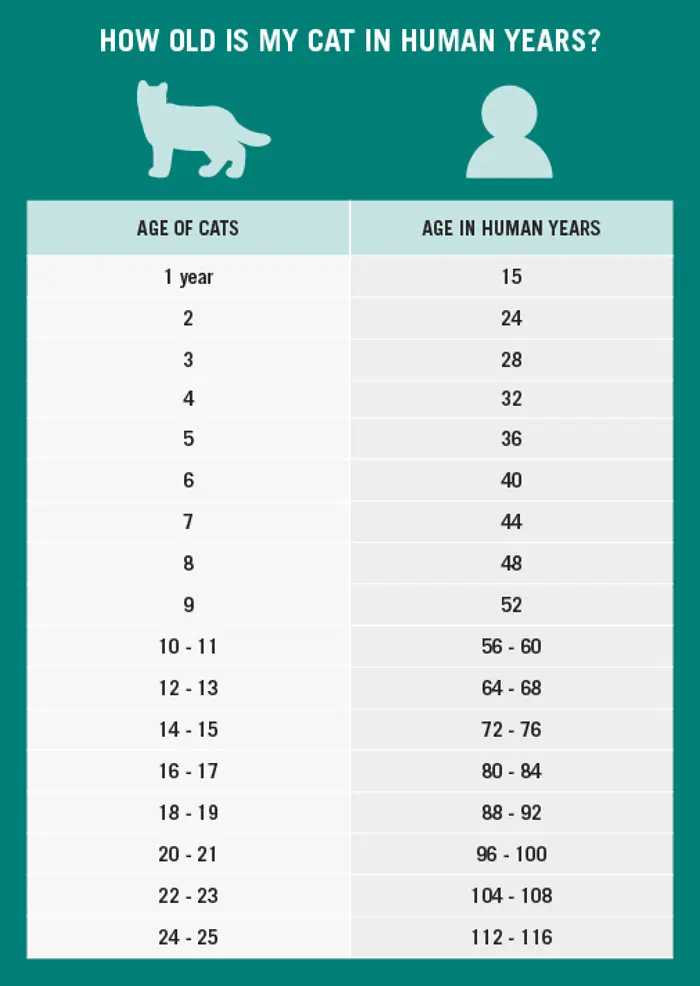
Research shows that the first twelve months of life for most dogs and cats bring the animal from birth to sexual maturity—roughly comparable to human adolescence. After that, aging curves diverge by species and size: large-breed dogs mature faster than small ones, while cats tend to follow a steadier pace.
Recent work highlights that aging is not a straight line. The initial two years involve swift physical and behavioral changes, after which the process slows yet continues steadily, making later-life preventive care especially important.
Implications for Pet Care
Translating these findings into practice means scheduling wellness exams more frequently as pets grow older, adjusting diet to support aging joints and organs, and watching for subtle shifts in energy or appetite that can signal early disease.
Early recognition allows owners to introduce joint supplements, dental care, or modified exercise routines before small issues become major problems, supporting a higher quality of life in the senior years.
Comparative Analysis: Dogs vs. Cats
Although both species outpace human aging at first, dogs—especially larger ones—reach senior status sooner. Cats generally enjoy a more gradual transition, often remaining playful well into double-digit years.
Common age-related concerns overlap: arthritis, kidney changes, and heart health appear in both, yet the order and intensity can differ, guiding veterinarians toward tailored screening schedules for each species.
Challenges and Limitations
No single formula fits every animal. Breed, weight, genetics, and lifestyle all influence longevity, so calendar age is only one piece of the puzzle. Pets cannot describe symptoms, so owners and vets must rely on regular checkups and subtle behavioral cues.
Because of these variables, “cat years” and “dog years” remain useful shorthand rather than precise science, reminding us to focus on individual needs instead of numbers alone.
Conclusion
Thinking in terms of cat and dog years encourages owners to see life from their companions’ perspective, prompting timely care that can extend healthy lifespan. While the math will never be exact, the underlying message is clear: attentive, age-appropriate management makes a measurable difference.
As studies refine our understanding, staying informed and flexible ensures that each pet receives the best possible support through every life stage.