The Importance of Local Pet Rehoming: A Practical Guide
Introduction
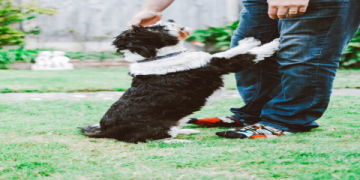
Rehoming pets close to home has become a widely supported idea, as neighbors and groups work together to give animals another shot at a happy life. Local pet rehoming means matching animals with new families in the same area. This guide explains why it matters, how it helps, what hurdles appear, and how communities can take part.
The Significance of Local Pet Rehoming
1. Easing Shelter Pressure
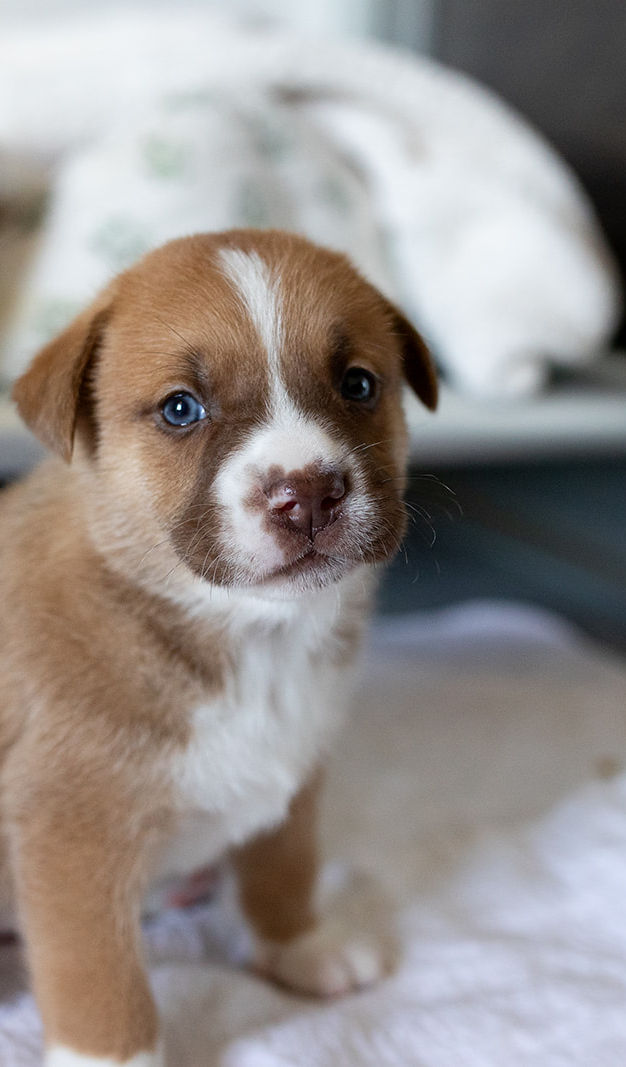
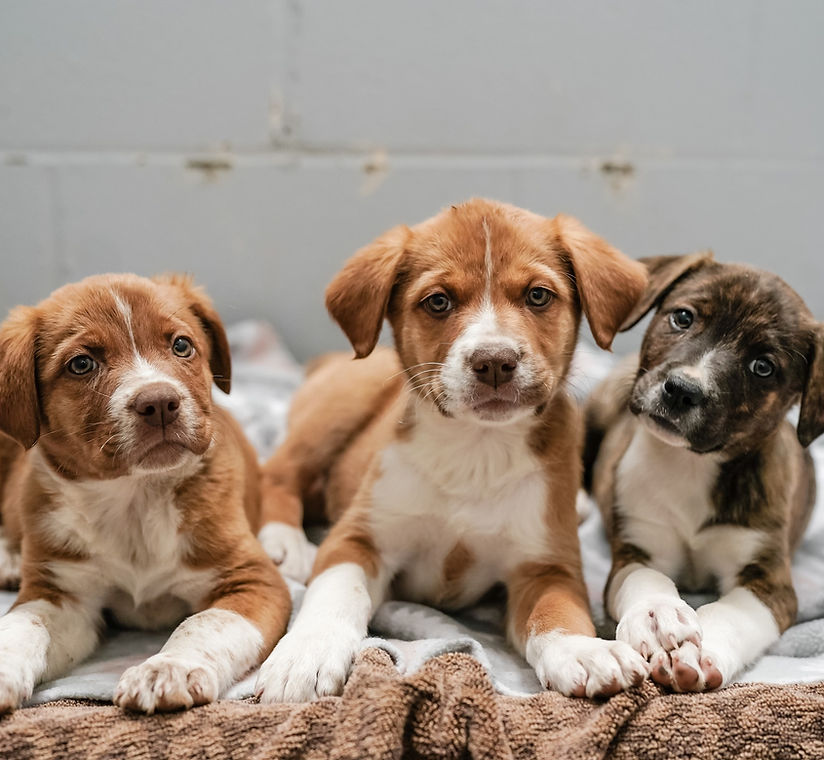
Every year, countless dogs, cats, and small critters arrive at rescue centers. When people adopt nearby, kennels empty faster, resources stretch further, and fewer animals face long waits or difficult outcomes.
2. Fresh Starts
Many pets land in shelters through no fault of their own. A nearby new family can offer stability, daily affection, and the routine they crave, turning uncertainty into tail-wags and purrs.
3. Tighter Neighborhood Bonds
Shared adoption stories spark conversation, encourage responsible pet care, and inspire locals to look out for one another—both two-legged and four-legged.
Benefits of Local Pet Rehoming
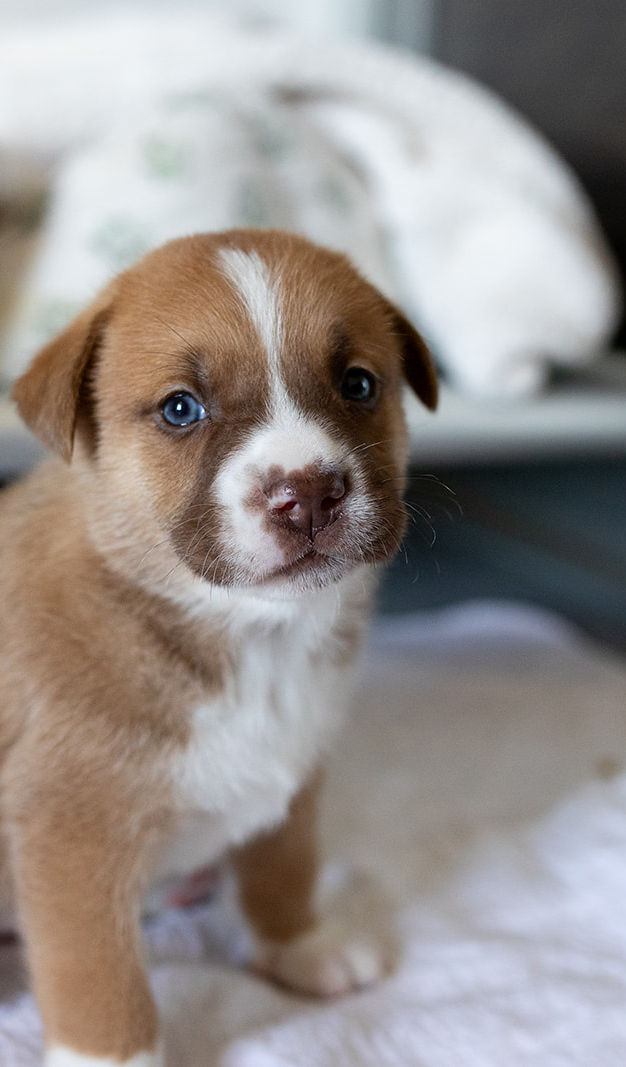
1. Emotional Rewards
Animals gain security; people gain companionship. Daily walks, play sessions, and quiet evening cuddles lower stress and lift moods on both sides of the leash.
2. Budget Advantages
Adoption fees usually cover vaccinations and microchips, costing far less than breeder prices. Lower shelter populations also ease the strain on municipal budgets.
3. Greener Footprint
Rehoming an existing pet reduces demand for large-scale breeding and keeps usable supplies—beds, bowls, toys—in circulation instead of landfills.

Challenges of Local Pet Rehoming
1. Finding the Right Fit
Staff and volunteers screen applicants for lifestyle, housing, and experience to ensure each match lasts a lifetime, not just a weekend.
2. Managing Behavior Quirks
Some animals need extra patience while they unlearn bad habits or rebuild trust. Post-adoption training classes and hotline support smooth the transition.
3. Covering Costs

Food, medicine, and utilities add up. Fund-raisers, wish-list drives, and small monthly gifts keep shelters ready for the next arrival.
The Role of Local Communities
Neighbors can turn concern into concrete help:
1. Volunteer
Spend a morning walking dogs, brushing cats, or greeting visitors at weekend meet-and-greet events.
2. Donate Goods
Clean blankets, sealed pet food, and sturdy toys are always welcome. Gift cards to local pet stores offer flexibility.
3. Share Stories
A single social-media post about a successful adoption can inspire friends to open their homes or lend a hand.
Conclusion
Local pet rehoming tackles overcrowding, rewards families with loyal companions, and knits communities closer together. Obstacles exist, yet cooperation and kindness keep the movement growing, one adoption at a time.
Future Research Directions
Continued study could explore:
– Smarter matching tools that pair personalities as well as paperwork.
– Long-term happiness tracking for pets and people after adoption.
– Creative outreach ideas that turn casual supporters into lifelong advocates.
With steady curiosity and community spirit, tomorrow’s rehoming efforts can be even more successful and compassionate.