Best Dog Food List: A Comprehensive Guide to Choosing the Right Diet for Your Pet
Introduction
Dogs are cherished companions that brighten countless homes. As responsible caregivers, we want every tail-wag to reflect good health, and that starts with balanced nutrition. Shelves are packed with countless formulas, so this guide distills the essentials—ingredients, nutrients, and your individual dog’s needs—into clear, practical steps.
Understanding Your Dog’s Nutritional Needs
Before scanning labels, learn what dogs truly require. Omnivores by nature, they thrive on a mix of animal and plant nutrients. Focus on these pillars:
Protein
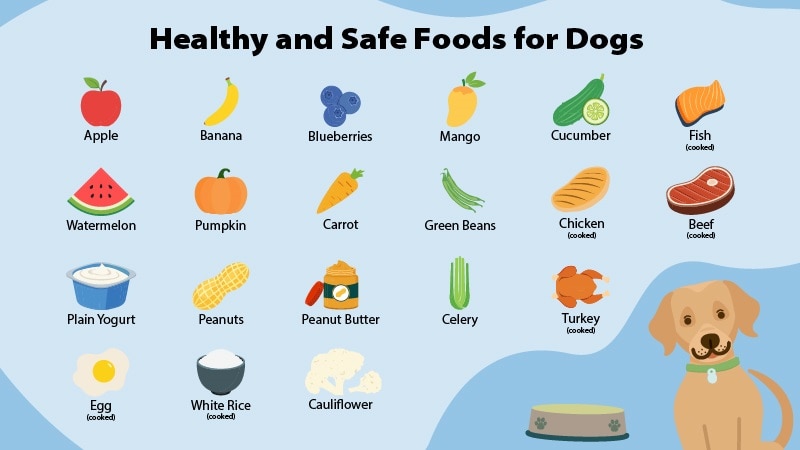
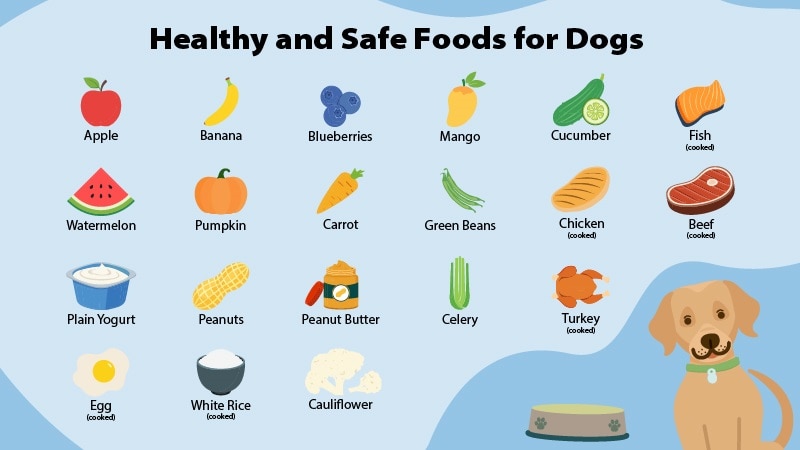
Protein builds lean muscle and repairs tissue. Look for foods that name real meat, poultry, or fish as the first ingredient; it signals quality and digestibility.
Carbohydrates
Carbohydrates fuel daily play and brain function. Whole grains like brown rice or barley, plus fibrous vegetables, release energy steadily while supporting healthy digestion.
Fats
Fats supply concentrated energy and keep skin supple and coats glossy. Seek recipes enriched with omega-3 and omega-6 sources such as salmon oil or flaxseed to aid immunity and joint comfort.
Vitamins and Minerals
A balanced blend of vitamins A, E, C, plus minerals like calcium and phosphorus, fine-tunes everything from vision to bone strength. Complete foods include these in balanced ratios, reducing the need for extra supplements.
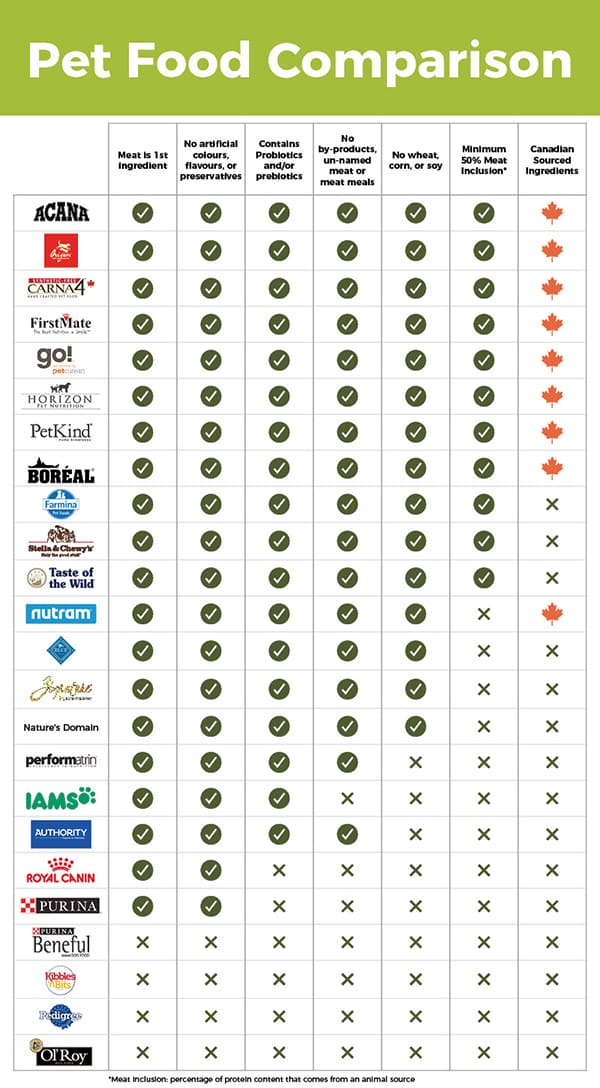
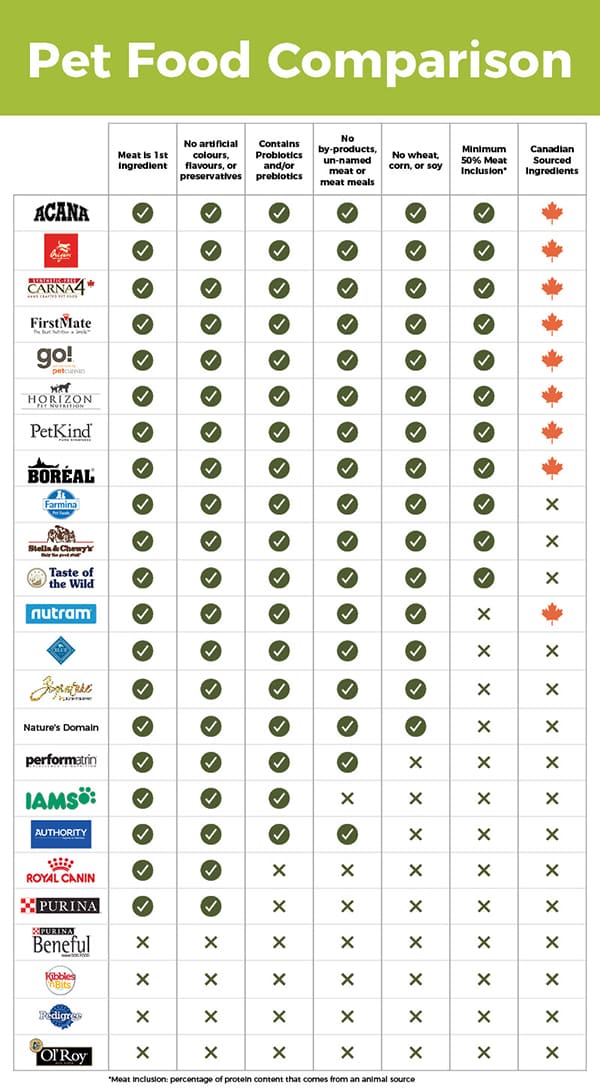
Best Dog Food List: Top Brands and Products
1. Royal Canin
Royal Canin crafts breed-specific and life-stage formulas backed by veterinary research, making it easy to match bag to dog.
2. Hill’s Science Diet
Hill’s Science Diet targets precise health goals—weight control, mobility, renal support—using evidence-based nutrient profiles.
3. Blue Buffalo
Blue Buffalo emphasizes natural ingredients, featuring real meat first and adding antioxidant-rich fruits and vegetables for immune resilience.
4. Orijen
Orijen mirrors a dog’s ancestral menu with high inclusions of fresh or raw animal ingredients, delivering abundant protein and micronutrients.
5. Wellness
Wellness offers grain-inclusive and grain-free recipes free from artificial additives, catering to owners who prefer minimalist ingredient panels.
Factors to Consider When Choosing Dog Food
Keep these variables in mind at the store:
1. Your Dog’s Age and Life Stage
Puppies need calorie-dense nutrition for growth, adults require maintenance levels, and seniors benefit from joint-friendly nutrients and controlled calories.
2. Your Dog’s Breed
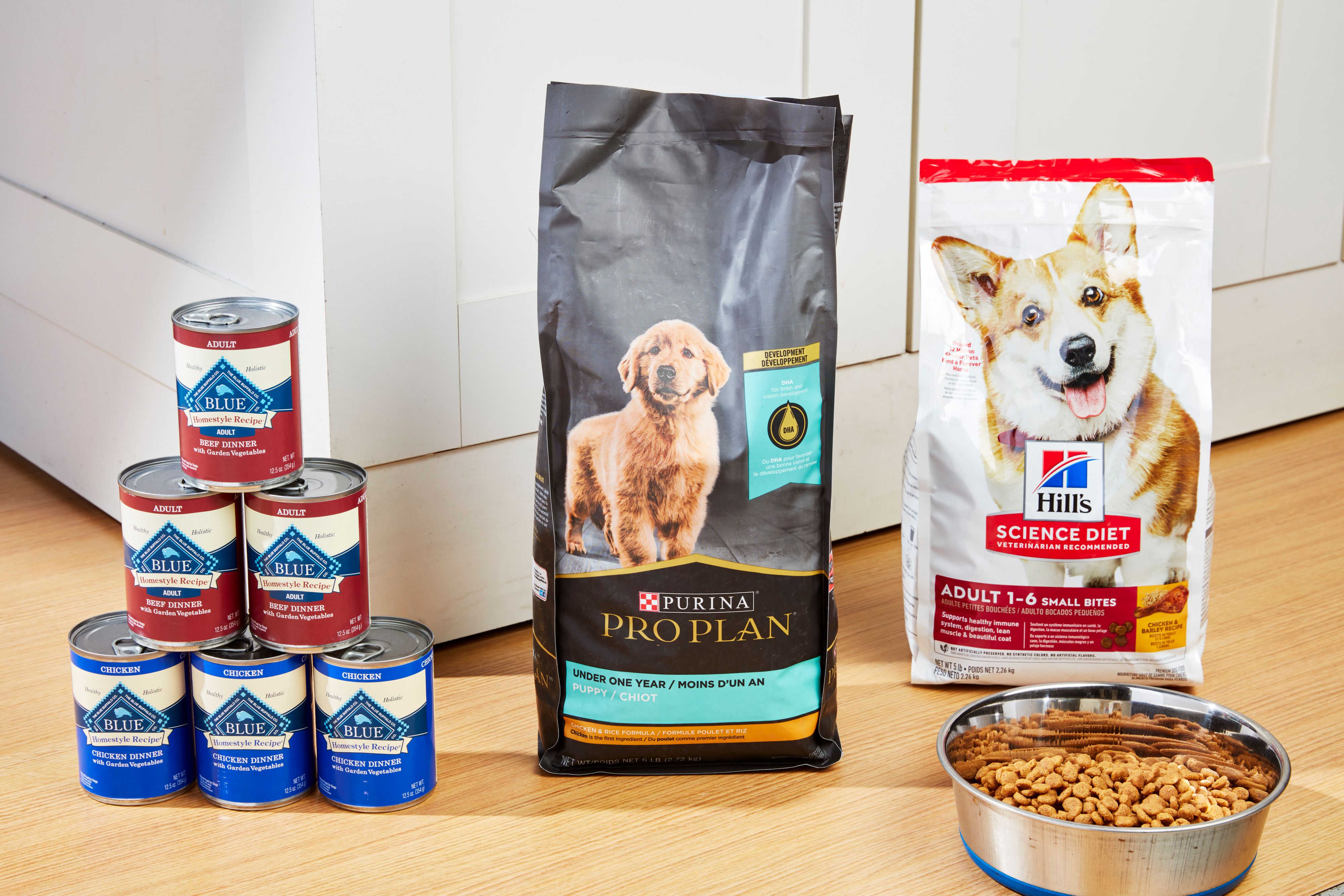
Size and genetic quirks matter: large breeds often need controlled calcium for steady skeletal growth, while small breeds may prefer bite-sized kibble that helps reduce tartar.
3. Your Dog’s Activity Level
Canine athletes burn more calories and may need higher fat content; couch companions thrive on leaner formulas to prevent weight creep.
4. Your Dog’s Health Conditions
Allergies, sensitive stomachs, or kidney issues call for specialized diets—veterinary guidance ensures the food supports treatment rather than undermining it.
Conclusion
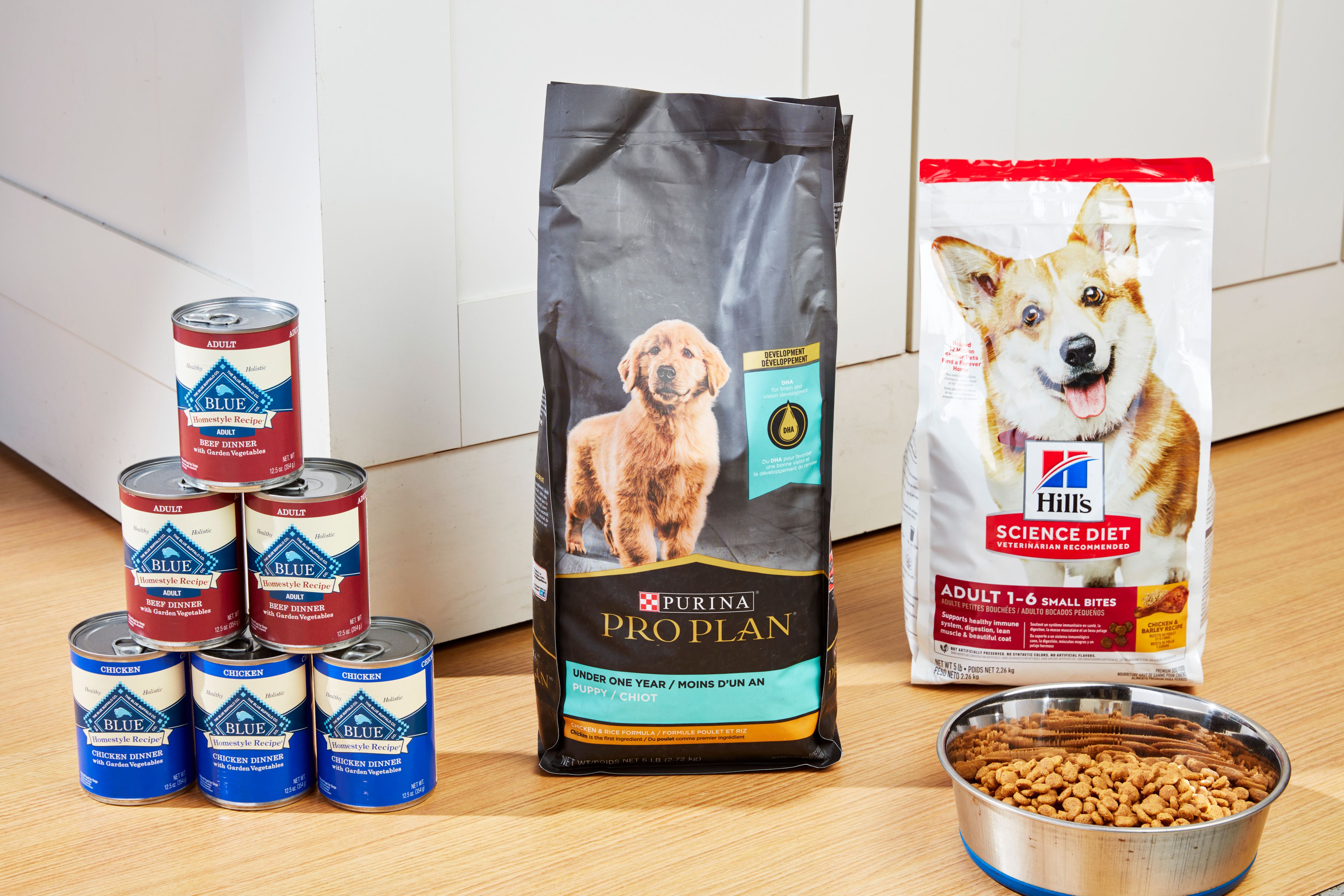
Choosing the right food is one of the most powerful ways to influence your dog’s vitality. By weighing nutrient quality against age, size, activity, and health status—and selecting reputable brands—you set the table for years of wagging tails and wet-nosed affection. When in doubt, partner with your veterinarian; together you can tailor meals that let your best friend thrive, not just survive.
Future Research and Recommendations
Continued studies on novel proteins, fiber sources, and the canine gut microbiome will refine how we feed tomorrow’s dogs. Supporting transparent labeling and independent feeding trials today paves the way for healthier, happier pets in the years ahead.