The Rise and Impact of Online Feline Marketplaces
Introduction
The internet has transformed how people adopt pets, and dedicated feline marketplaces are now a common stop for future cat parents. These sites bring together hobby breeders, small rescues, and hopeful adopters in one convenient space. This overview looks at how such platforms have expanded, the ripple effects on the wider pet sector, and what the trend means for everyone involved.
The Emergence of Online Feline Marketplaces
Market Dynamics and Technological Advancements
Several forces fueled the rise of digital cat networks. Cats recently overtook dogs as the most popular companion animal in many cities, creating steady demand for easy adoption options. At the same time, secure payment systems, high-speed mobile access, and rich media uploads have made it simple to list, browse, and reserve a kitten or adult cat within minutes.

Market Research and Consumer Behavior
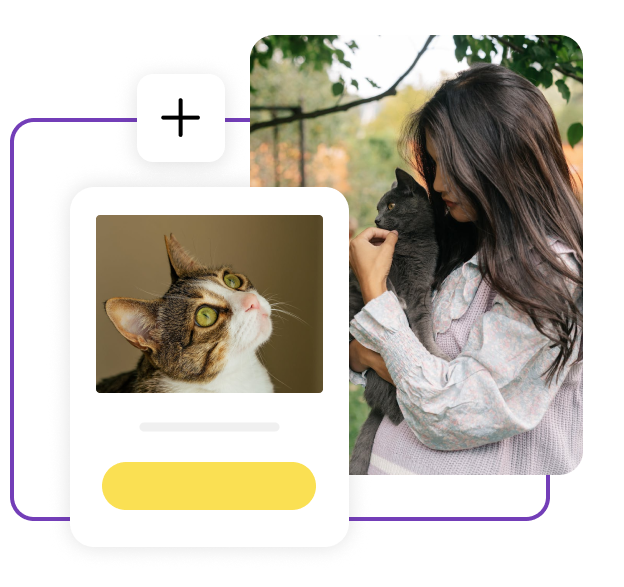
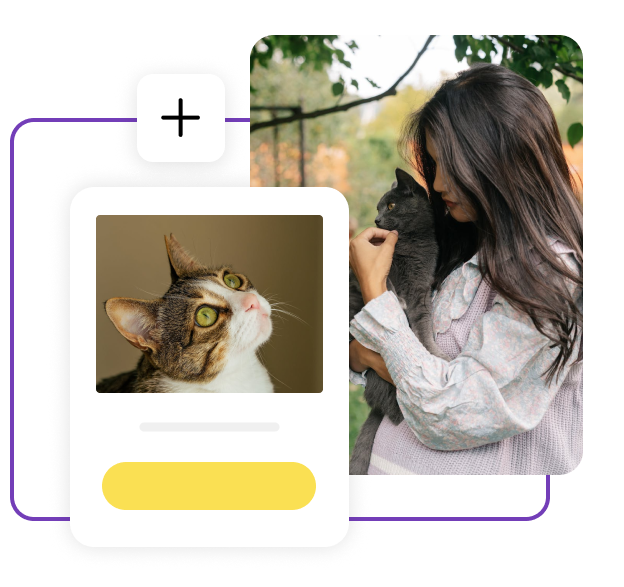
Surveys show younger households value convenience and transparency when choosing a pet. They prefer scrolling through photos, filtering by age or temperament, and asking questions through built-in chat rather than visiting multiple physical locations. This shift in shopping habits has turned online listings into a primary gateway for cat adoption.
The Impact of Online Feline Marketplaces on the Pet Industry
Streamlining the Adoption Process
Detailed profiles, short videos, and verified health checks allow adopters to compare choices side-by-side. Filters for coat type, energy level, or compatibility with children shorten the search and reduce mismatches, saving time for both parties.
Increased Accessibility
Geography is no longer a barrier. A suitable companion can be found in a neighboring region and transported safely, giving adopters more variety and helping ethical caregivers reach a larger audience without expensive advertising.
Regulation and Transparency
Reputable platforms now ask for vaccination records, deworming logs, and photos of living conditions before approving a listing. Public ratings and review sections further reward responsible caregivers and warn visitors about questionable practices.
Challenges and Concerns

Quality Control
The sheer number of listings can overwhelm visitors, and not every post meets minimum welfare standards. Without careful checks, unsuspecting adopters may encounter undisclosed health issues or inaccurate descriptions.
Animal Welfare Concerns
Quick turnover can tempt some sellers to prioritize volume over wellbeing, leading to crowded conditions or premature separation from the mother. Continuous oversight is necessary to prevent such outcomes.
Case Studies and Expert Opinions
Success Stories
Many small foster networks report faster placements and lower overhead after moving online. Adopters frequently share stories of senior cats or special-needs kittens that found the right home thanks to detailed bios and direct communication with foster parents.
Expert Insights
Veterinarians and welfare groups agree that transparent online spaces can raise standards when paired with clear rules, while cautioning that periodic audits and user education remain essential to keep profit-driven abuse at bay.
Conclusion
Digital cat marketplaces are now woven into the fabric of pet adoption. They offer speed, choice, and visibility that traditional channels often lack, yet persistent vigilance is required to safeguard health and welfare. Balancing convenience with ethical stewardship will determine whether these platforms remain a net positive for cats and their human companions.
Recommendations and Future Research
To strengthen trust and protect animals, stakeholders could consider the following steps:
– Introduce mandatory health certificates and independent photo verification for every listing.
– Provide clear, easy-to-find guidelines on humane breeding, minimum weaning age, and required veterinary checks.
– Offer free educational briefings for first-time adopters covering nutrition, vaccination schedules, and behavioral enrichment.
– Support long-term studies on adoption outcomes, tracking health and retention rates to refine best practices.
By tightening standards and investing in research, the online feline marketplace can continue to evolve as a responsible, welfare-oriented meeting point for cats and the people who love them.