The Ultimate Guide to Goldendoodle Puppies in the Southeastern United States
Introduction
Goldendoodle puppies have captured hearts across the country for their cheerful personalities, quick minds, and low-shed coats. Warm weather, welcoming neighborhoods, and plenty of parks make the Southeast an especially pleasant region to raise these playful companions. This guide offers an overview of what to expect from Goldendoodles, how to care for them, and how to find a happy, healthy puppy near you.

The History of Goldendoodles
Origin and Development
Goldendoodles first appeared when breeders crossed Golden Retrievers with Poodles, hoping to combine the gentle temperament of the Retriever with the Poodle’s low-shed coat. The mix quickly attracted families who wanted an affectionate, trainable dog that produced less dander.

Popularity and Spread
Word of the friendly “designer doodle” traveled fast. Within a few decades the crossbreed became a favorite choice for households looking for a sociable, energetic pet that fits well into active lifestyles.
Characteristics of Goldendoodle Puppies

Appearance
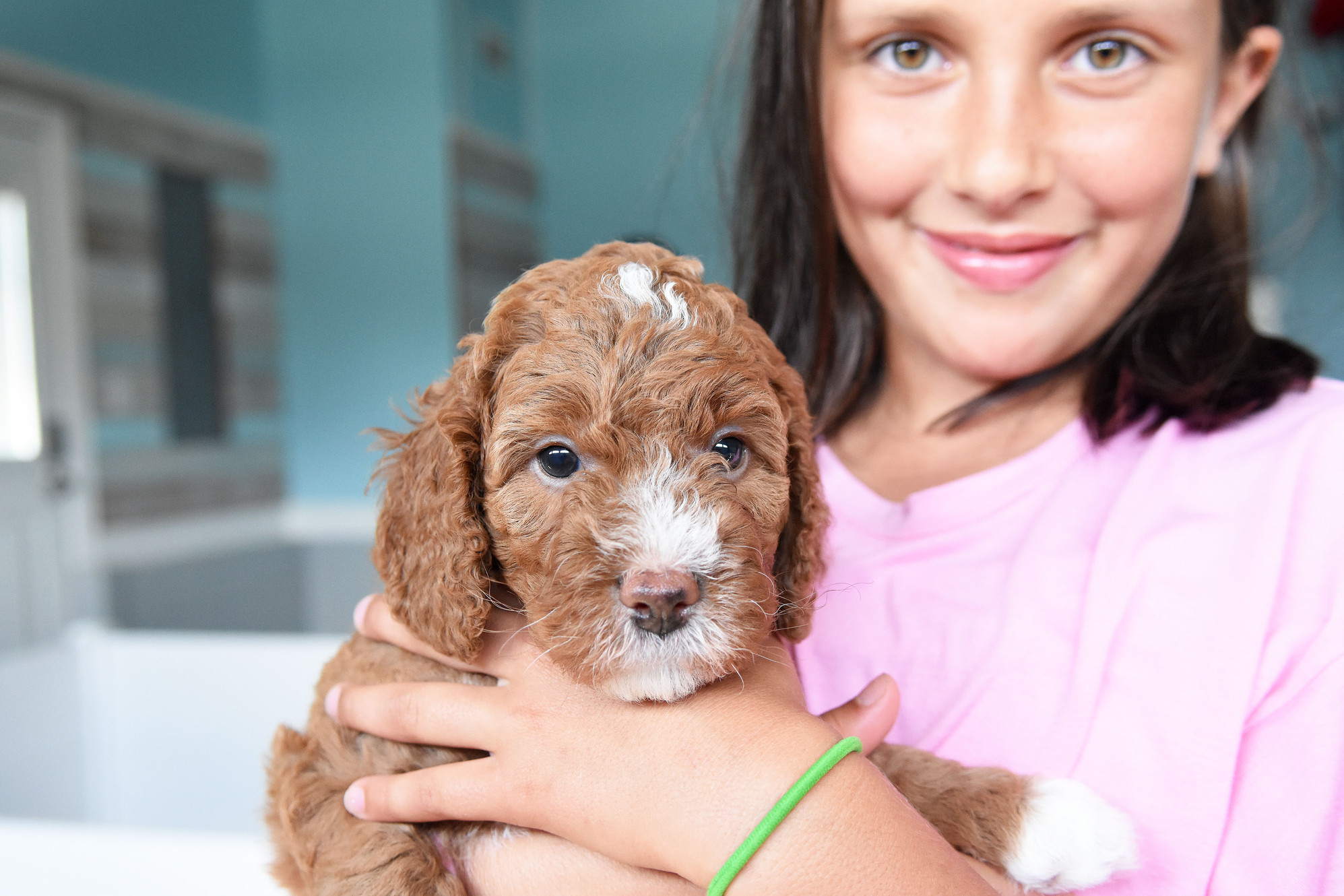
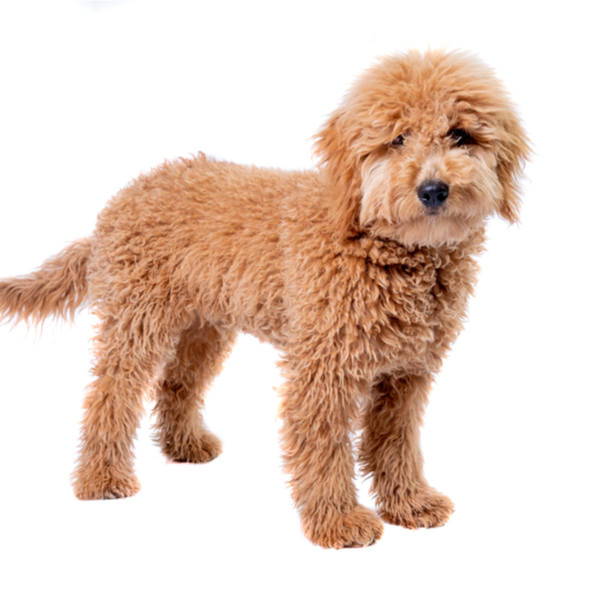
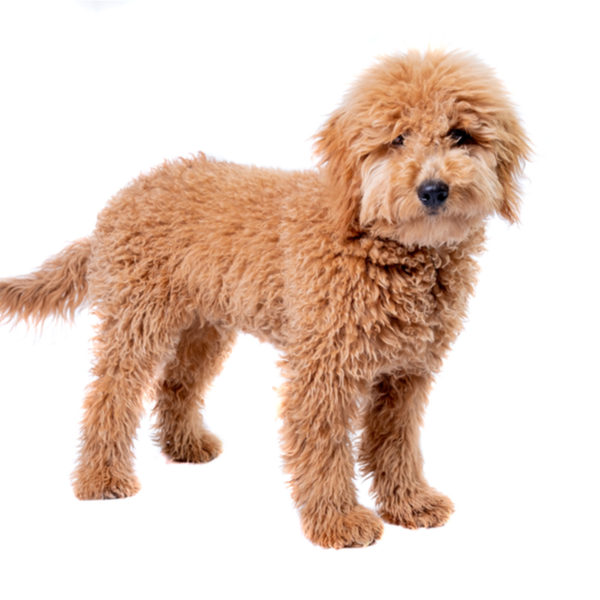
Coat colors range from cream and apricot to rich red, and textures vary from soft waves to tight curls. Size depends largely on whether the Poodle parent was standard, miniature, or toy, so puppies may mature anywhere from pocket-sized to sturdy and tall.
Temperament

These dogs are typically outgoing, eager to greet both people and other animals. Their intelligence and desire to please make lessons enjoyable, while their patience wins over children and novice owners alike.
Health
Most Goldendoodles enjoy good general health, but like any breed they can inherit certain conditions. Routine veterinary visits, proper exercise, and balanced meals go a long way toward preventing problems.

Caring for Goldendoodle Puppies
Training
Start lessons early and keep them upbeat. Short, reward-based sessions harness the puppy’s natural enthusiasm and prevent boredom.

Grooming
Brush several times a week to prevent tangles and schedule baths and trims as the coat grows. Even low-shed dogs benefit from regular grooming to reduce loose hair and keep skin healthy.
Diet
Choose age-appropriate food that supplies quality protein, healthy fats, and essential vitamins. Fresh water and measured portions help maintain an ideal weight and support rapid growth phases.
Finding Goldendoodle Puppies in Your Area
Reputable Breeders
Look for breeders who welcome questions, share health testing records, and raise puppies indoors with plenty of socialization. A clean environment and transparent practices are signs of responsible care.
Adoption
Many doodle mixes await homes in local shelters and rescue groups. Adoption counselors can match you with a dog whose energy level and coat type suit your household.

Online Resources
Regional forums, club websites, and social media communities often post available litters or upcoming adoption events. Use these tools to compare options and read reviews from previous adopters.
Conclusion

Goldendoodles offer an appealing blend of intelligence, affection, and adaptability that fits well with Southeastern living. By learning about their needs and choosing a responsible source—whether breeder or rescue—you set the stage for a rewarding, lifelong friendship. Commit to consistent training, grooming, and veterinary care, and your curly-coated companion will return the effort with years of loyalty and laughter.
Future Research and Recommendations
Ongoing studies into hereditary health, optimal breeding practices, and long-term behavior will help maintain the breed’s reputation for vigor and good nature. Meanwhile, public education on exercise requirements, grooming demands, and responsible ownership can reduce surrenders and ensure every doodle finds—and keeps—the right home.