The Role and Impact of Search Dogs in Emergency Situations
Introduction
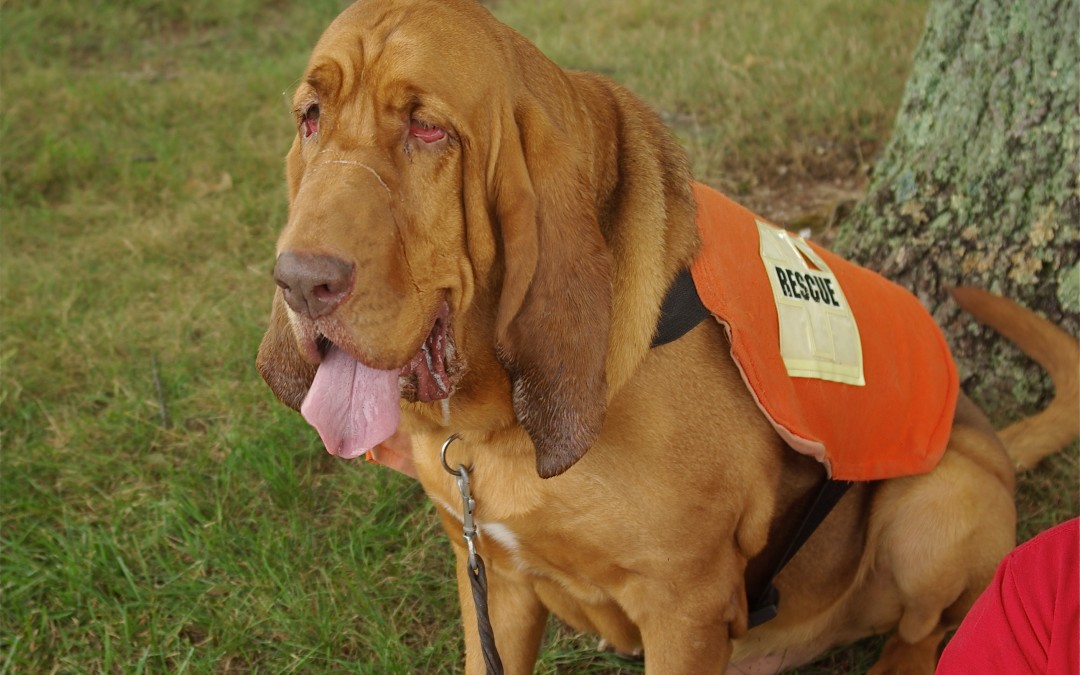
Search dogs, often called rescue dogs, are indispensable partners when crises strike. Their remarkable noses, acute hearing, and steady temperament let them find people trapped beneath rubble, lost in forests, or hidden in snow. This overview examines how they work, how they are trained, and why they remain one of the most trusted tools in disaster response.
The Unmatched Abilities of Search Dogs
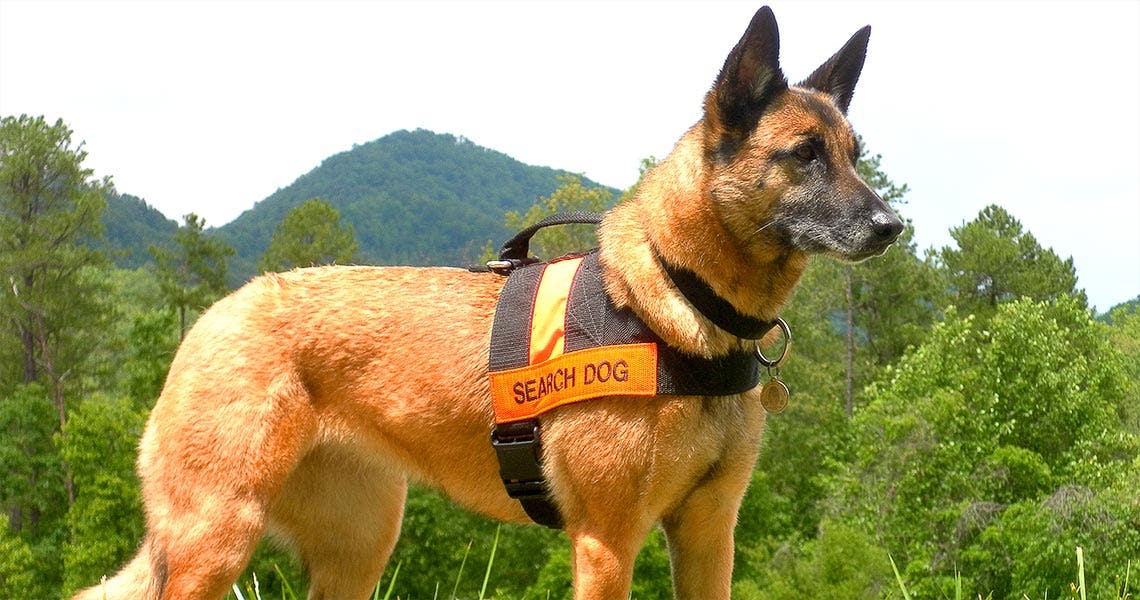
A single search dog can pick up a human scent days after it was left, even when that scent is diluted by rain, smoke, or concrete dust. In the chaos that follows earthquakes, landslides, or severe storms, this sensitivity allows them to sweep vast areas in minutes, directing rescuers to spots that might otherwise take hours to reach.
Enhanced Sensory Perception
Beyond smell, these dogs hear faint heartbeats, shallow breathing, or the slight shift of debris. Their low-light vision and sure footing on unstable surfaces give them an edge in dark, tangled environments where human senses quickly become overwhelmed.
Training Search Dogs
Turning an energetic puppy into a reliable search partner takes roughly eighteen months of steady, reward-based lessons. Trainers look for balanced drive: enough curiosity to keep working when conditions are harsh, yet enough self-control to stop the instant the handler calls.
Obedience and Scent Work
Every session begins with core commands—sit, stay, come—so the dog will respond instantly amid sirens, machinery, and shouting. Scent games follow: first the dog learns to identify a single human scent on a toy, then on a hidden person, and finally on a person buried under increasing layers of distraction.
Advanced Training Techniques
Once basics are solid, dogs practice on unstable piles of wood, tilted slabs, and slippery slopes. They learn to bark sharply when they make a find, lie quietly if silence is needed, and retrace their steps to guide rescuers in. Night drills, thunder recordings, and flapping tarps prepare them for any scenario.
Evidence of Search Dogs’ Effectiveness
Field reports from multiple continents show that when dogs are deployed early, the probability of locating survivors rises sharply. Teams that combine canine sweeps with technical equipment consistently cover ground faster and leave fewer gaps than either method alone.
The Importance of Search Dogs in Emergency Response
Because they move quickly over broken ground and need no power source, dogs are often first to reach victims cut off from roads or communication. Their presence also reassures anxious families, offering tangible hope while machines and crews mobilize.
Collaboration with Human Search Teams
Handlers interpret the dog’s subtle changes of pace, tail set, or ear flick, translating instinct into actionable data. Meanwhile, medics, engineers, and logistics staff follow the canine cue, creating an efficient chain from discovery to evacuation.
Challenges and Future Directions
High-level training is resource-intensive, and both dogs and handlers need regular refreshers to stay sharp. Expanding volunteer networks, sharing best practices across borders, and securing steady funding are ongoing priorities for the global rescue community.
Research and Development
Scientists are exploring lightweight harness sensors that record a dog’s heart rate and breathing pattern, giving remote coordinators extra clues about when a scent has been found. Parallel studies into nutrition, injury prevention, and post-mission mental health aim to lengthen the working life of every four-legged responder.
Conclusion
From the first bark at a scent pool to the final handshake with a rescued survivor, search dogs turn chaos into coordinated action. Continued investment in training, welfare, and innovation will keep these skilled partners ready whenever and wherever people go missing.