Title: Island Companion Dogs: A Gentle Look into Ethical Breeding Practices
Introduction
Dog breeding is a time-honored practice that focuses on pairing healthy, well-tempered animals to produce the next generation of affectionate companions. On a scenic island renowned for its spirit of aloha, a small circle of enthusiasts has quietly refined this craft, emphasizing balance between form, function, and family life. This article explores their guiding principles and the lessons they offer to anyone interested in responsible canine stewardship.
The Island Companion Dog
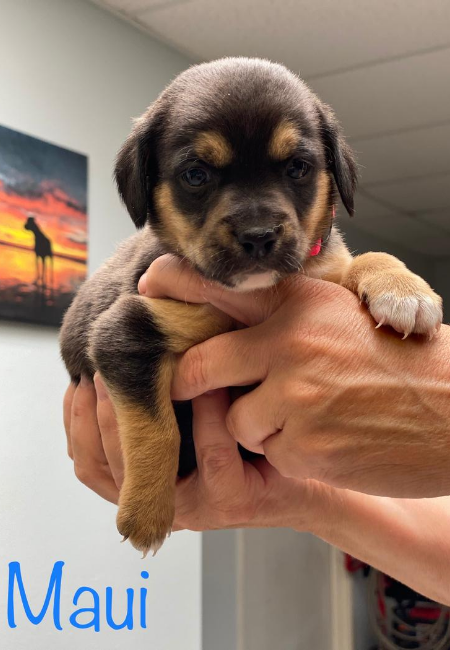
The Island Companion dog is a compact, sturdy pet celebrated for its warm disposition and quick mind. Developed in a tropical setting, the breed adapts easily to both beach walks and quiet evenings at home. Local caretakers have worked for decades to keep its friendly nature and moderate energy level consistent across generations.

The Role of Caretaker-Breeders
These caretaker-breeders view themselves as guardians rather than owners. They match individuals that complement one another in health, temperament, and size, always aiming to improve the line while avoiding exaggeration. Every pairing is preceded by weeks of observation, veterinary checks, and socialization exercises to ensure the puppies start life with solid foundations.
The Breeding Process
The process begins with a thorough review of each dog’s medical history and behavioral notes. Traits such as patience with children, ease of training, and sound movement are prioritized. Once a compatible pair is chosen, the caretakers provide prenatal nutrition, calm surroundings, and regular vet visits.
After birth, the puppies remain with their mother in a home environment, meeting new people and experiencing everyday sounds—vacuum cleaners, doorbells, gentle rain—so that nothing feels startling later in life. By twelve weeks, each pup has had a health screening, first vaccinations, and a microchip before joining carefully screened families.

Challenges Along the Way
Small-scale breeding brings hurdles: limited gene pools, rising medical costs, and the constant need to educate prospective owners about realistic expectations. Hurricanes and shipping delays can interrupt even the best-laid plans. Yet the caretakers persist, funded largely by day jobs and guided by a shared belief that quality matters more than quantity.
Why These Efforts Matter
By keeping records open and prioritizing lifelong support, the group protects both the dogs and the people who love them. Their slow, careful approach reduces hereditary issues and produces pets that thrive in apartments, suburbs, or ranch settings. In effect, they offer a template for ethical breeding anywhere in the world.
Looking Ahead
Interest in mellow, right-sized dogs continues to grow. The caretakers plan to share educational materials online, host virtual meet-ups, and collaborate with veterinary schools on low-stress handling techniques. If these efforts succeed, the Island Companion dog will remain a healthy, happy option for families seeking a four-legged friend.
Conclusion
Quiet dedication has shaped a little dog with a big heart. The island’s caretaker-breeders remind us that thoughtful selection, transparent health testing, and lifetime responsibility form the backbone of any sound breeding program. Their work preserves not only a breed but also the idea that every puppy deserves a safe, loving start.
By choosing patience over profit and education over advertisement, they strengthen the human-canine bond one litter at a time. Their example invites breeders everywhere to measure success not in numbers sold, but in tails wagged years after adoption day.
As more people discover the rewards of well-bred companions, the principles honed on a small Pacific island can guide larger communities toward kinder, healthier futures for all dogs—pedigreed or mixed, show-ring or couch companion.