The Impact of Online Rehoming Platforms on Animal Welfare and Community Engagement
Introduction
Public concern for animal welfare has grown steadily, prompting a wave of digital tools that link homeless pets with caring families. One prominent example is a nationwide rehoming network that lets shelters publish pet profiles and lets adopters search from home. This article reviews how such platforms influence both the well-being of animals and the involvement of local communities.
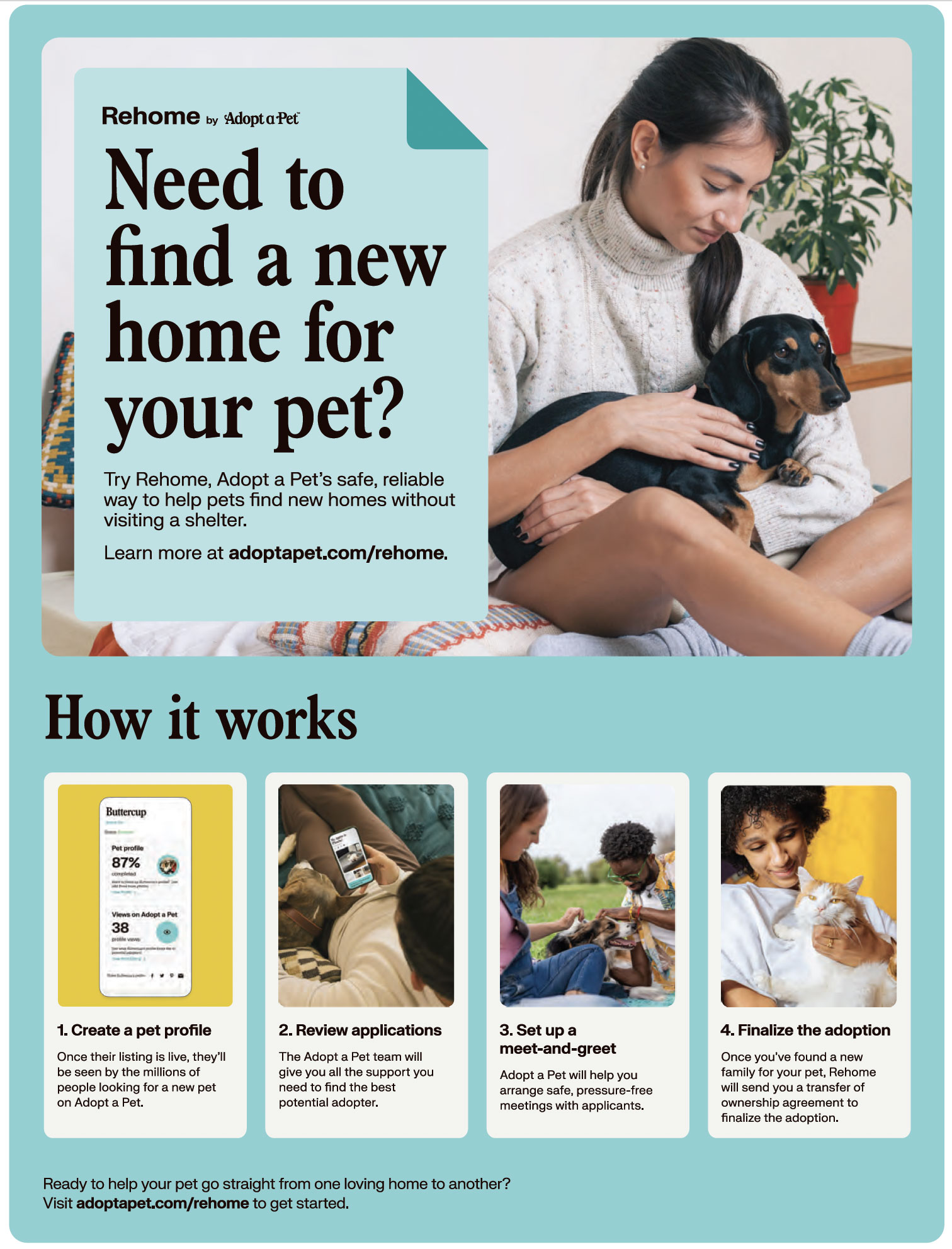
The Concept of Digital Rehoming
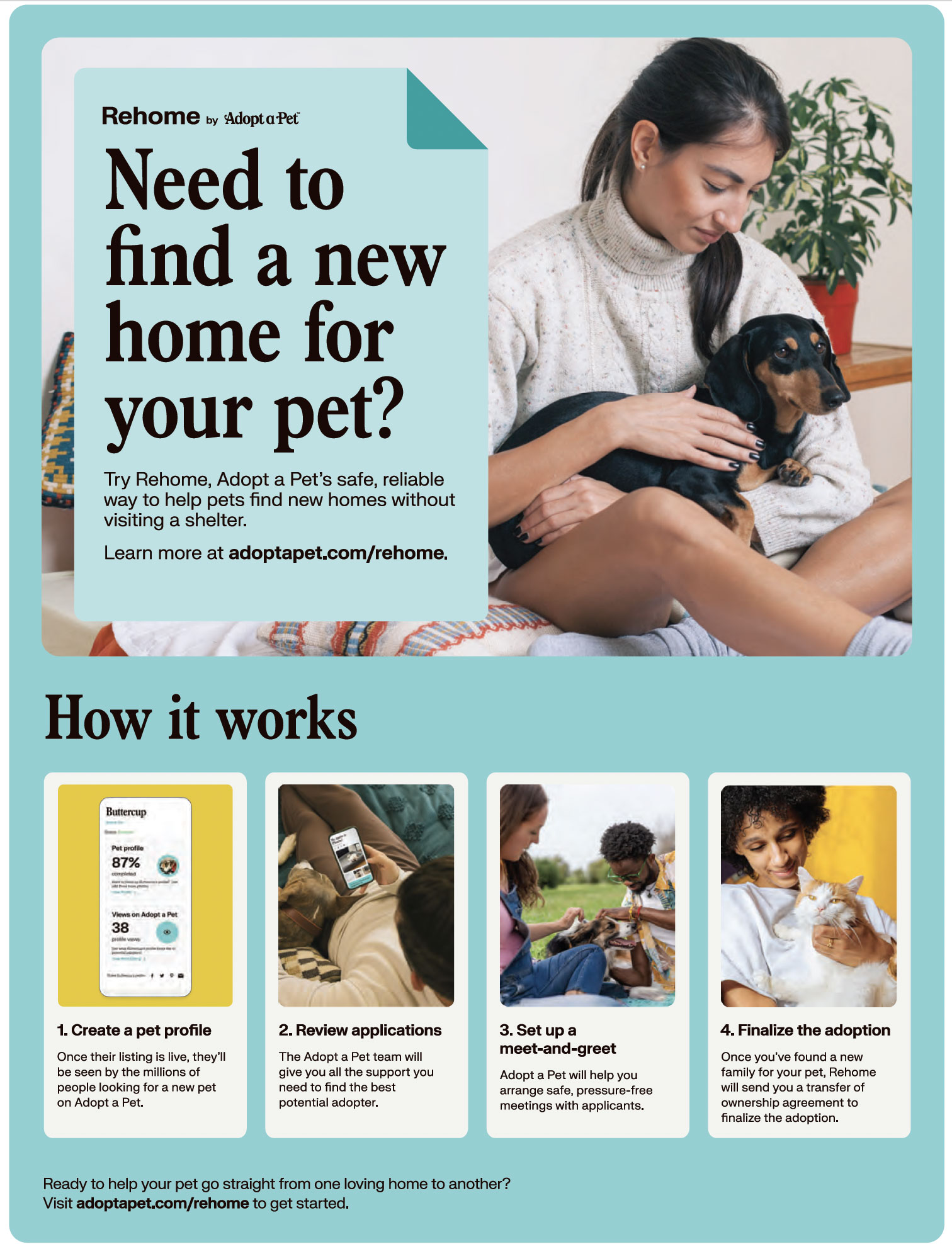
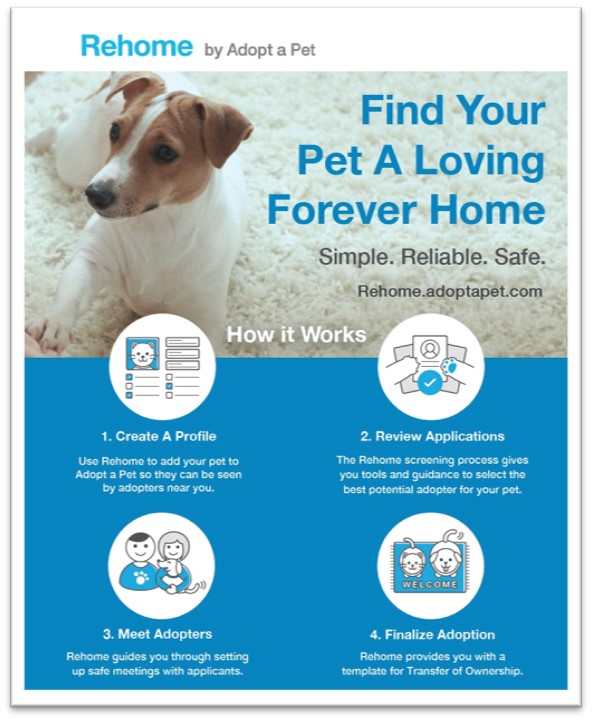
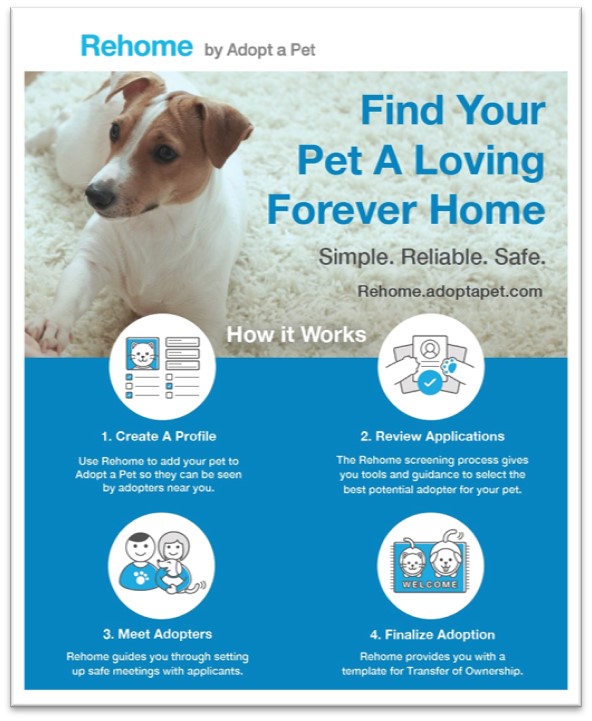
Rehoming websites act as virtual meeting places where approved shelters and rescue groups post photos, short biographies, and personality notes for each animal. Visitors can filter by size, energy level, or special needs, then follow an in-site application that guides them through screening, meet-and-greets, and final adoption paperwork. Built-in chat, checklists, and post-adoption tips smooth the journey for first-time adopters and seasoned guardians alike.
Improving Animal Welfare
By widening the pool of possible homes beyond a shelter’s immediate neighborhood, online listings shorten average wait times and ease overcrowding. Animals that once sat for weeks now receive inquiries within days, giving staff more time for medical care, enrichment, and training. Reduced kennel stress translates into brighter eyes, healthier coats, and calmer behavior that in turn makes the pets even more appealing to visitors.
Reducing Euthanasia Rates
Every successful online match frees up cage space and resources, lowering the likelihood that a shelter must make difficult decisions on space or cost grounds. National estimates suggest that broad use of digital rehoming tools has already helped move thousands of dogs and cats from risk lists to living-room sofas.
Enhancing the Quality of Life
Even before adoption, visibility matters. When a pet’s profile is shared on social media or emailed to friends, the animal gains advocates who donate toys, volunteer walking time, or foster overnight. These small acts break up kennel monotony, maintain house-training, and provide mental stimulation that improves overall health.
Community Engagement
Beyond the animals themselves, rehoming portals invite the public to take an active role. Browsing photos sparks conversations about spay/neuter, responsible ownership, and local shelter needs, turning casual supporters into volunteers, donors, or vocal ambassadors.
Raising Awareness
Success stories—an anxious hound blossoming in a child-free condo, or a senior cat keeping watch over a work-from-home professional—humanize the adoption process and dispel myths that shelter pets are “damaged.” Each narrative encourages one more person to choose adoption over purchase.

Encouraging Volunteering
Portals often link to a shelter’s volunteer sign-up page or list upcoming foster-orientation dates. By lowering the entry barrier, they convert digital sympathy into real-world manpower: dog walkers, event helpers, transport drivers, and overnight fosters.
Evidence and Case Studies

Several independent reviews illustrate the practical payoff of online rehoming.
Case Study 1: Regional Humane Network
A mid-sized humane society that uploaded every adoptable animal to a rehoming site reported a noticeable jump in completed adoptions within one fiscal quarter, alongside shorter average length of stay.

Case Study 2: East-Coast Rescue Coalition
A coalition of small rescue groups using the same platform saw combined adoptions rise after cross-posting pets, demonstrating that even modest organizations can extend reach without extra marketing budgets.
Challenges and Limitations

Despite encouraging numbers, digital rehoming is not a silver bullet.
Challenges
Overpopulation continues to strain many facilities; online exposure helps but cannot outpace unchecked breeding or economic abandonment. Seasonal surges—kitten season, holiday relinquishments—still overwhelm intake systems.
Limitations
Profiles rely on honest, accurate descriptions. Misjudged energy levels or undisclosed behavioral quirks can lead to returns, stressing both pet and adopter. Continuous staff training and transparent communication remain essential.
Conclusion
Online rehoming platforms have already shortened shelter stays, energized volunteers, and placed countless animals in lasting homes. While they cannot single-handedly solve overpopulation, they form a powerful complement to spay-neuter campaigns, education, and policy work. Continued refinement and wider participation promise even greater gains for animals and the people who care about them.
Recommendations and Future Research
To build on current momentum, stakeholders might consider the following steps:

1. Expand Educational Resources: Offer short videos and printable guides on introducing pets to children, other animals, and new environments.
2. Collaborate with Local Authorities: Encourage municipal shelters to embed rehoming widgets on official city pages, uniting lost-and-found and adoption services in one portal.
3. Incorporate Technology: Pilot matching algorithms that weigh adopter lifestyle, experience level, and housing type against each animal’s known traits, reducing trial-and-error visits.

Future studies should track adopted animals for a year or more, measuring retention, veterinary visits, and owner satisfaction. Comparative research across rural and urban regions could also reveal cultural or logistical factors that shape platform success, guiding targeted improvements.