How Discount Codes for Animal Charities Influence Giving and Adoption
Introduction
Animal-welfare groups are vital in protecting abandoned and neglected pets. Their work depends on steady donations and successful adoptions. One creative method these groups now use is the release of special discount codes tied to their websites. This piece looks at how such codes boost financial support, speed up adoptions, and strengthen the wider movement for humane treatment of animals.
The Role of Charity Discount Codes
What Are They?
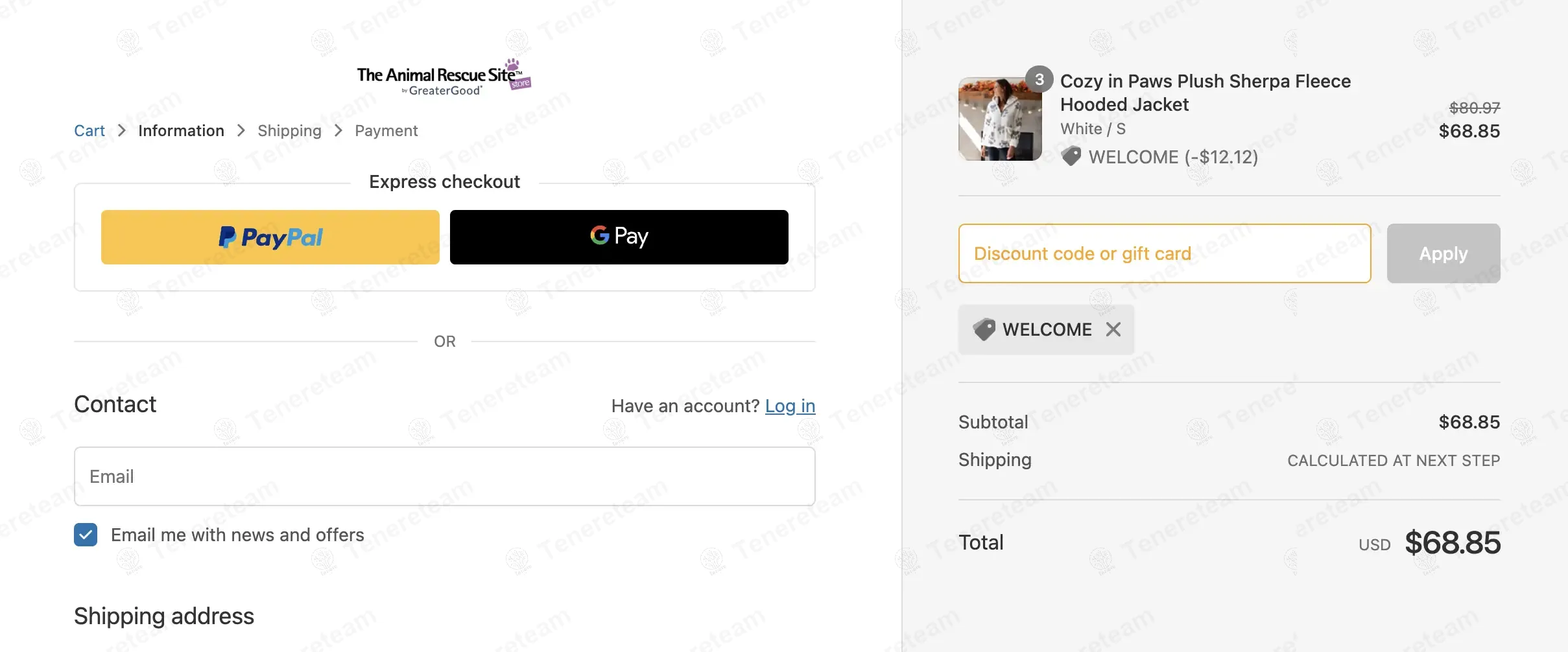
These codes work like ordinary online coupons, but with a twist: entering them at checkout unlocks savings on pet products, adoption fees, or direct gifts to the charity itself. Partners can include pet-supply stores, veterinary clinics, or enthusiastic supporters who want to help animals while rewarding shoppers.
How Do They Work?
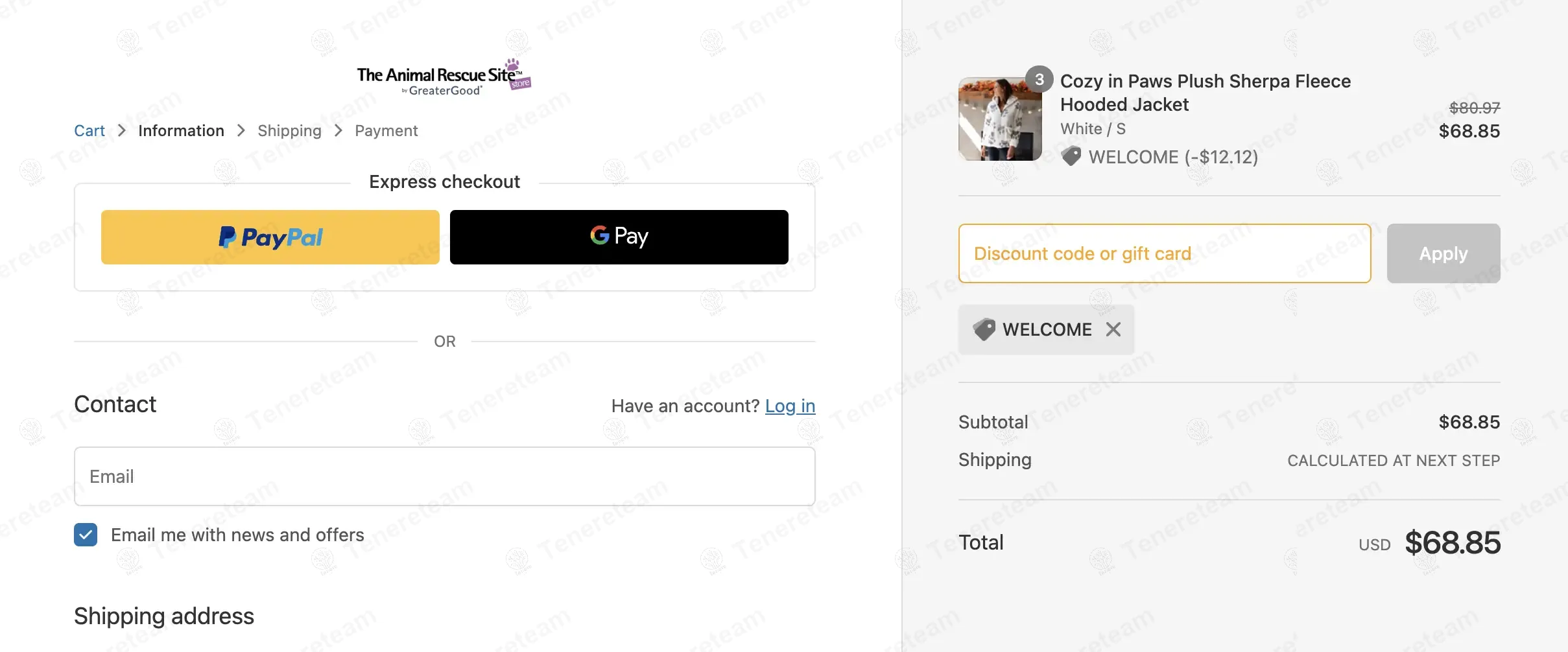
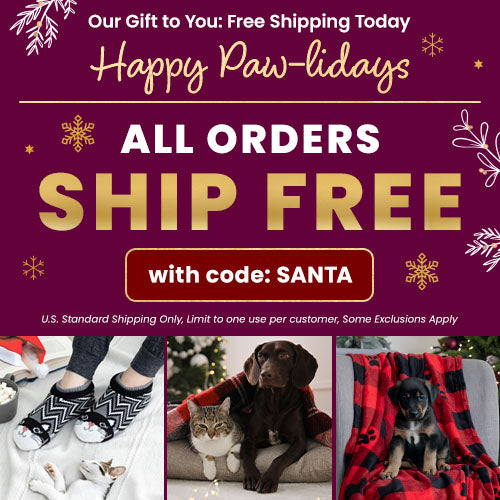
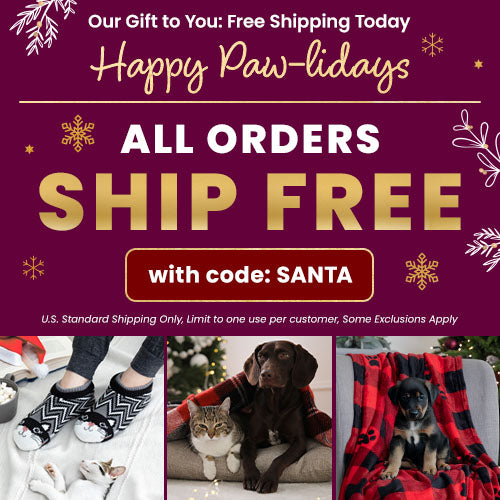
Shoppers copy the code into the designated box before paying. The system instantly applies a discount or adds a perk such as free shipping, and the charity receives either a share of the sale or a prompt donation generated by the transaction.
The Impact on Donations
More Frequent Giving
By pairing a clear benefit—money saved on essentials—with the chance to do good, these codes turn routine purchases into acts of generosity. People who might hesitate to give outright often feel comfortable contributing when they also receive something tangible in return.
Signs of Success
Early surveys suggest that campaigns featuring discount codes can lift average donation totals by roughly one fifth compared with appeals that do not offer a coupon. The pattern indicates that small incentives can unlock larger philanthropic gestures.
The Impact on Adoption Rates
Encouraging New Families
Reduced fees or starter kits obtained through a code lower the financial barrier to adoption. Potential guardians who are budget-conscious may decide the time is right to welcome a pet once the upfront cost drops.
Success Stories
Shelters that have tested limited-time fee reductions report noticeable jumps in completed adoptions, sometimes within weeks of launching the offer. The momentum often continues after the promotion ends, because visitors who came for the discount frequently spread the word to friends and family.
The Broader Implications
Raising Awareness
Each shared coupon doubles as a mini-advertisement for animal welfare. Social-media posts, email forwards, and printed flyers carry the charity’s message into new circles, educating the public about homeless pets and responsible ownership.
Partnerships with Businesses
Retailers gain loyal customers; shelters gain funds, supplies, and visibility. These win-win relationships encourage more companies to design products and campaigns that actively support rescue efforts, embedding compassion for animals into everyday commerce.
Conclusion
Discount codes have moved beyond simple marketing tricks to become practical lifelines for animal charities. By making it easy—and rewarding—to give or adopt, they convert casual interest into concrete help. As digital fundraising evolves, expect such tools to play an even larger role in securing safe, loving futures for animals in need.
Recommendations and Future Research
To keep improving results, charities can:
1. Diversify offers: mix product discounts, fee waivers, and service vouchers so every supporter finds a relevant deal.
2. Amplify on social media: pair eye-catching graphics with clear instructions, and thank users publicly to spark friendly competition.

3. Track outcomes: log code usage, donation size, and follow-up adoption rates to refine timing, value, and messaging.
Long-term studies should examine whether first-time donors attracted by coupons become repeat givers, which code types work best in different regions, and how incentives can be woven into larger outreach plans for sustained impact on animal welfare.