Dog Rescues Toddler in the Southwest: A Story of Courage and Loyalty
Introduction
A recent incident in the American Southwest has warmed hearts across the country after a family dog saved a toddler from a backyard hazard. The event underscores the deep connection between people and their canine companions and reminds us that dogs often exceed the role of simple pets. This article examines why the rescue matters, reflects on the many ways dogs enrich daily life, and looks at the science behind such remarkable behavior.
The Incident
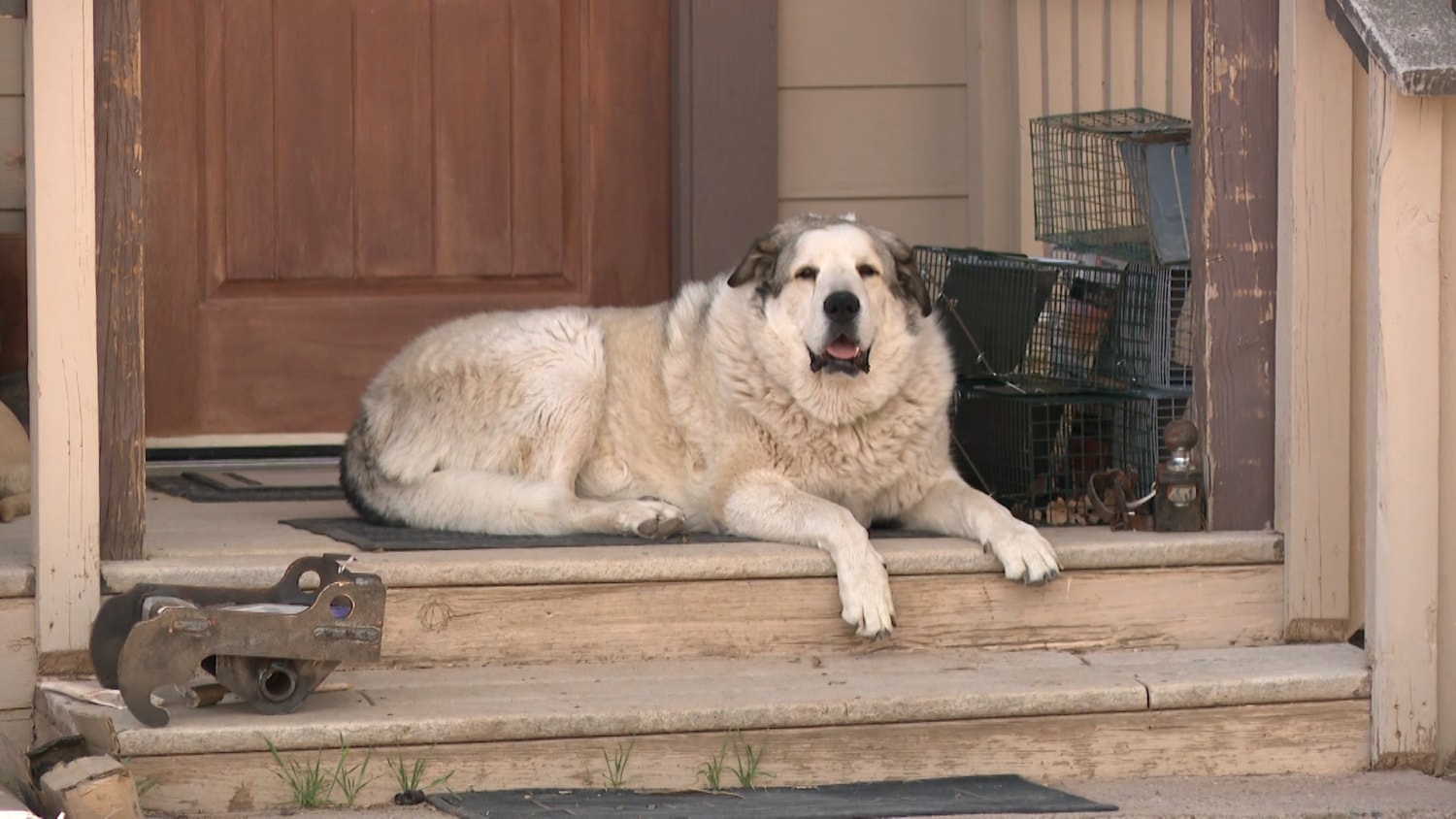
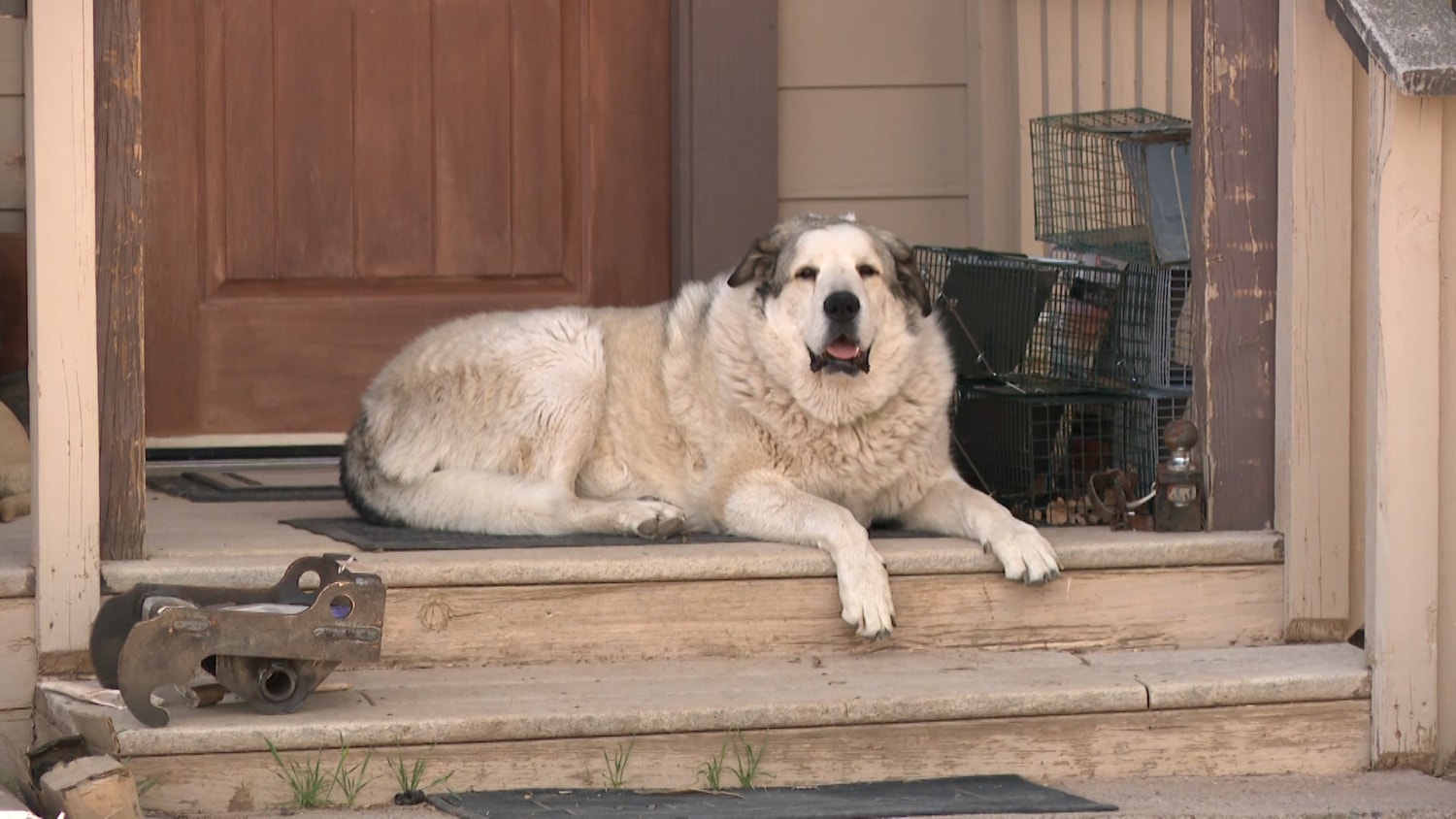
On a bright afternoon, a young child slipped outside unnoticed while family members were occupied indoors. Curious and quick, the little one headed toward an unsecured swimming pool. The family dog, a watchful shepherd mix, sensed trouble within seconds. Barking urgently, the dog raced back and forth until an adult followed the alarm and discovered the child at the pool’s edge. Quick action prevented any serious harm; the youngster was taken to a local clinic, checked for minor exposure, and released the same day. Neighbors later praised the dog’s alertness, calling the pet a quiet hero.

The Role of Dogs in Human Lives
People and dogs have shared their days for millennia, forging a partnership built on mutual aid and affection. The backyard rescue is only one of countless examples of dogs stepping up when it matters most.
Companionship
Dogs offer steady friendship. Their presence can ease loneliness, encourage conversation, and provide a sense of routine. For older adults, individuals with limited mobility, or anyone facing emotional strain, a dog’s company can brighten ordinary moments and soften difficult ones.
Protection
Many dogs instinctively guard their home circle. Alerts may come as a single bark at the door or, as in this case, persistent vocal warnings that guide people toward danger. This protective trait adds an extra layer of safety to everyday life without the need for specialized training.
Emotional Support
Interacting with a dog can lower stress hormones and lift mood. Gentle touch, eye contact, and shared play trigger feel-good chemicals in both species. Over time, these small interactions can ease anxiety, reduce feelings of isolation, and promote calm.
The Psychological and Physiological Aspects of the Rescue
How did a family pet recognize a crisis so quickly, and what drove the immediate response? Researchers point to a blend of sensory skill and social instinct.
Psychological Aspects
Dogs read the world through scent and sound far beyond human range. A change in breathing, a splash, or an unfamiliar ripple can signal distress. Because dogs view the household as their social group, protecting each member is hard-wired behavior, not a learned trick.
Physiological Aspects
When a dog senses urgency, stress hormones such as adrenaline sharpen reflexes and boost energy. Heart rate climbs, muscles tense, and the animal switches from relaxed companion to focused responder in seconds, enabling rapid, decisive action.
Conclusion
The Southwest rescue offers a vivid reminder that dogs enrich our lives in ways we rarely anticipate. They stand beside us as friends, guardians, and quiet therapists. Recognizing the science behind their loyalty encourages deeper respect for the partnership and invites broader discussion about responsible care and mutual well-being.
Recommendations and Future Research
To strengthen the human-canine bond, continued study is worthwhile in three key areas:
1. The biological and emotional pathways that connect people and dogs.
2. The value of trained therapy dogs in clinics, classrooms, and crisis centers.
3. Simple, positive-reinforcement techniques that help family pets develop reliable alert behaviors.
By exploring these topics, communities can promote safer homes and happier lives for both species.
In closing, the quick-thinking dog in the Southwest shows how everyday pets can become everyday protectors. Celebrating such stories deepens our gratitude for the animals who share our space and encourages us to nurture the timeless friendship between humans and dogs.