How Breed-Matching Quizzes Influence the Way We Choose Dogs
Introduction
Online “Which dog suits me?” quizzes have exploded in popularity among future pet parents. Usually embedded on animal-welfare sites or shared across social channels, these short questionnaires promise to pair lifestyles with ideal canine personalities. This piece looks at why the quizzes matter, what they do well, where they fall short, and how they fit into the larger picture of thoughtful pet guardianship.
The Idea Behind the Quiz
Most tools ask about living space, daily schedule, exercise habits, and tolerance for barking or shedding. An algorithm then spits out a handful of breeds presumed to mesh with those answers. The goal is to boost the odds of a smooth, lasting bond by front-loading compatibility talk before any adoption papers are signed.

Clear Advantages
1. Smarter Choices
By forcing people to weigh variables like yard size or work hours, the quiz slows the impulse to pick a puppy purely on looks. That pause alone can prevent mismatches and heartbreak later.
2. Better Fit
When energy levels, grooming needs, and sociability line up, dogs settle faster and owners feel less overwhelmed. A quiz can flag high-maintenance breeds for laid-back households or recommend calmer companions for small apartments.
3. Built-In Mini-Lesson

Even skimming the questions teaches users that dogs differ in prey drive, trainability, and medical needs. The takeaway: adoption is a long-term commitment, not a mood purchase.
Common Shortfalls
1. One-Size-Fits-All Answers
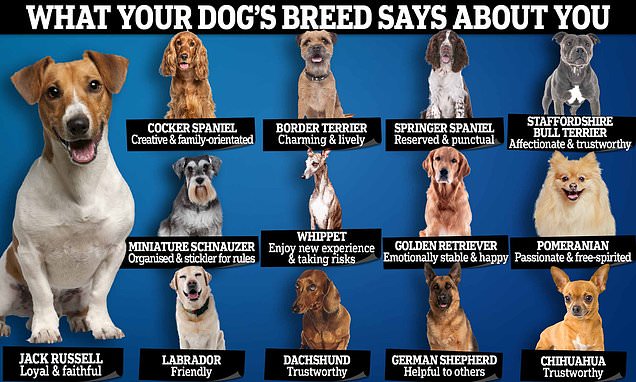
Algorithms flatten the rich reality of canine individuality. Two littermates can mature into polar-opposite temperaments, so breed labels are only rough sketches, not guarantees.
2. Blind Spots
Quizzes rarely touch on training philosophy, financial reserves, or future life changes—huge factors that can make or break a placement. They also can’t evaluate the unique history of a rescue dog.
3. Style-Over-Substance Risk
A flashy result page that screams “You’re a Husky person!” may nudge someone toward a photogenic breed they aren’t equipped to exercise or contain, fueling future surrender queues.
Responsible Ownership Is Bigger Than Any Quiz
A five-minute survey can spark reflection, but it should be the opening chapter, not the entire manual. Prospective guardians still need to meet multiple dogs, speak with trainers or veterinarians, budget for lifelong costs, and plan for emergencies. Shelters remain the best classrooms: staff can match real dogs to real people using nuanced observations no algorithm can replicate.
Conclusion
Breed-matching quizzes are handy conversation starters, yet they work best when paired with homework, honest self-assessment, and a willingness to adapt. Use the suggestions as a compass, not a contract, and the journey toward sharing life with the right dog becomes safer and happier for everyone involved.
What Studies Could Explore Next
Researchers could track whether quiz-guided adoptions lower return rates or behavioral complaints. Long-term projects might compare satisfaction scores between quiz users and traditional counseling clients, or measure how often recommended breeds actually end up in participating households. Evidence from such work would help fine-tune both online tools and in-person adoption protocols, pushing the movement toward ever more humane, evidence-based matches.