The Impact of a Nationwide Pet-Adoption Network on Animal Welfare
Introduction
Modern adoption centers have transformed how companion animals find homes and have greatly improved overall animal welfare. One prominent network operates in thousands of retail locations, offering visibility to shelter pets and streamlining the adoption process. This article explores that network’s role in pet adoption, its influence on animal well-being, and the wider significance of its programs. By reviewing its background, services, and results, we present a clear picture of how large-scale adoption events and sustained outreach benefit pets and communities.
The History of the Network
The program began in the mid-1990s as a local outreach effort and gradually expanded into a coast-to-coast initiative hosted within partner stores. Its guiding purpose is to connect homeless pets with caring families while encouraging lifelong, responsible guardianship. Over the years, the collaboration has facilitated millions of successful matches.

Programs and Initiatives
1. Pet Adoption Services
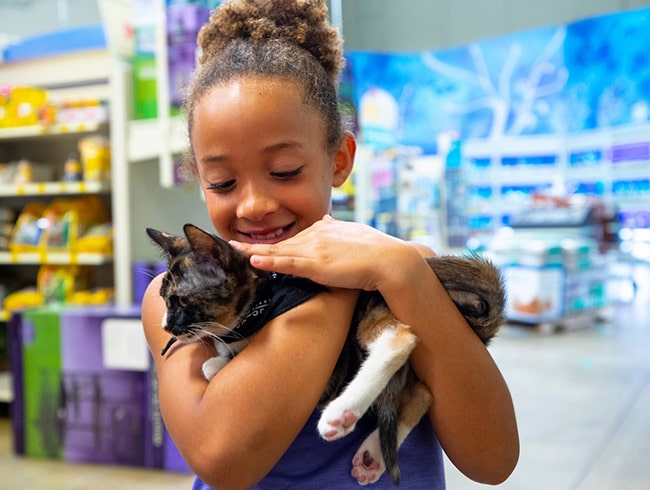
Each weekend, designated areas inside retail stores welcome dogs, cats, rabbits, and other small animals from nearby shelters. Adoption counselors guide visitors through meet-and-greets, discuss lifestyle fit, and provide take-home care tips, aiming to create lasting bonds.
2. Related Charitable Arm
An affiliated nonprofit amplifies the mission by awarding grants for spay/neuter surgeries, vaccinations, and emergency medical treatment. It also funds educational workshops that teach positive training techniques and the benefits of preventive care.
3. Community Partnerships

The network teams up with local humane societies, rescue groups, and veterinary clinics, sharing resources and foot traffic. These alliances move more animals out of crowded shelters and into private homes while reducing operational costs for grassroots organizations.
Impact on Animal Welfare
1. Reducing Homelessness
By spotlighting adoptable pets in high-traffic venues, the program shortens average shelter stays and lowers euthanasia rates. Continuous visibility helps adult animals and special-needs pets compete with puppies and kittens for public attention.
2. Promoting Responsible Guardianship
Adopters receive starter booklets on nutrition, exercise, and enrichment, plus discount vouchers for training classes and routine vet visits. These resources set realistic expectations and decrease the likelihood of pets being returned.
3. Improving Pet Health
Pre-adoption medical care, funded by grants, ensures animals leave the store vaccinated, micro-chipped, and spayed or neutered. Post-adoption helplines offer guidance on anything from house-training to managing separation anxiety.
The Broader Implications of the Network’s Initiatives
1. Economic Benefits
Every adopted pet generates spending on food, supplies, grooming, and veterinary services, supporting local businesses and creating jobs. Lower shelter intake also reduces municipal expenditures on animal control.
2. Social Benefits
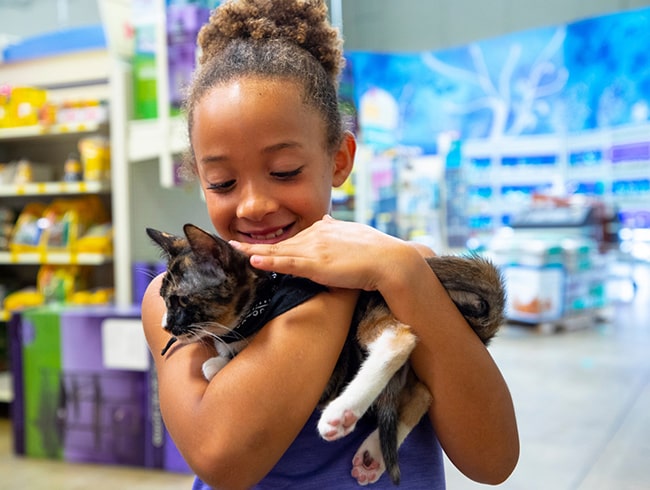
Meet-and-greet events foster conversations among neighbors, strengthen volunteer networks, and encourage civic engagement. Sharing success stories online spreads positivity and normalizes adoption as the first choice for acquiring a pet.
Conclusion
A sustained, store-based adoption campaign has proven that convenient access and solid support systems move significant numbers of pets into permanent homes. By combining visibility, education, and medical care, the network eases pressure on shelters and cultivates responsible ownership.
As companion-animal welfare strategies evolve, this collaborative model remains influential, demonstrating how retailers, nonprofits, and communities can unite for a common cause. Continued refinement of outreach tactics promises even greater reductions in pet homelessness.
Recommendations and Future Research
To build on existing momentum, stakeholders could consider the following steps:

1. Broaden alliances with rural shelters and transport programs to diversify the types of pets available.
2. Launch inclusive marketing that highlights senior pets, special-needs animals, and the mental-health benefits of adoption.
3. Support data collection on post-adoption retention, veterinary compliance, and behavioral outcomes to identify best practices.
Future studies might examine long-term attachment levels, the cost-effectiveness of grant-funded medical care, and the role of adoption events in shaping public attitudes toward animal rescue. Ongoing evaluation will help fine-tune initiatives that serve both pets and the people who love them.